

Soundproofing Insulation in Southeast Michigan
Traffic, jets out of Metro Airport, a home theater, the washer upstairs. Seal Tech uses spray foam to seal the gaps that let sound through, so your home or business is quieter and more comfortable.
Yes, Sound Travels Through the Same Gaps Air Does
Most noise doesn't push through solid walls. It slips through air leaks: gaps around outlets, framing, pipes, and rim joists. Spray foam expands to fill every one of those gaps, so it blocks drafts and cuts the airborne noise that travels with them.
Because it insulates at the same time, you get a quieter room, steadier temperatures, and lower energy bills from one installation.
- Keeps outdoor noise out: traffic, neighbors, lawn equipment, and air traffic
- Quiets media rooms, bedrooms, bathrooms, and laundry areas
- Reduces plumbing, HVAC, and appliance noise between rooms
- Holds its shape and air seal over time, unlike loose-fill insulation that settles
Three Ways Foam Quiets a Building
Seals the Leaks
Foam expands into cracks, seams, and penetrations, closing the air paths that carry sound from outside and room to room.
Absorbs Sound
Open-cell foam's soft, porous structure soaks up airborne sound inside wall and ceiling cavities instead of letting it echo through.
Fills Every Cavity
Unlike batts with gaps and compressed spots, spray foam fills the whole cavity wall-to-wall, so there are no weak spots for sound to find.
Quieter Spaces, Room by Room
Whether you're building new, finishing a basement, or fixing one noisy room, we target the areas where sound control matters most.
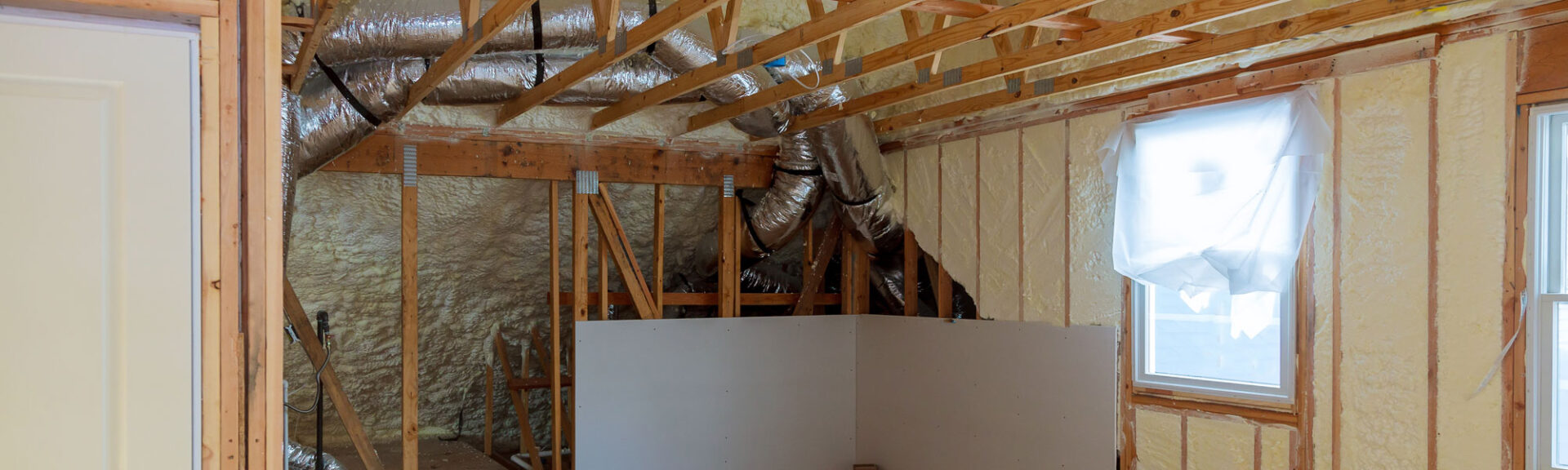
Keep the movie sound in the theater and out of the bedrooms.
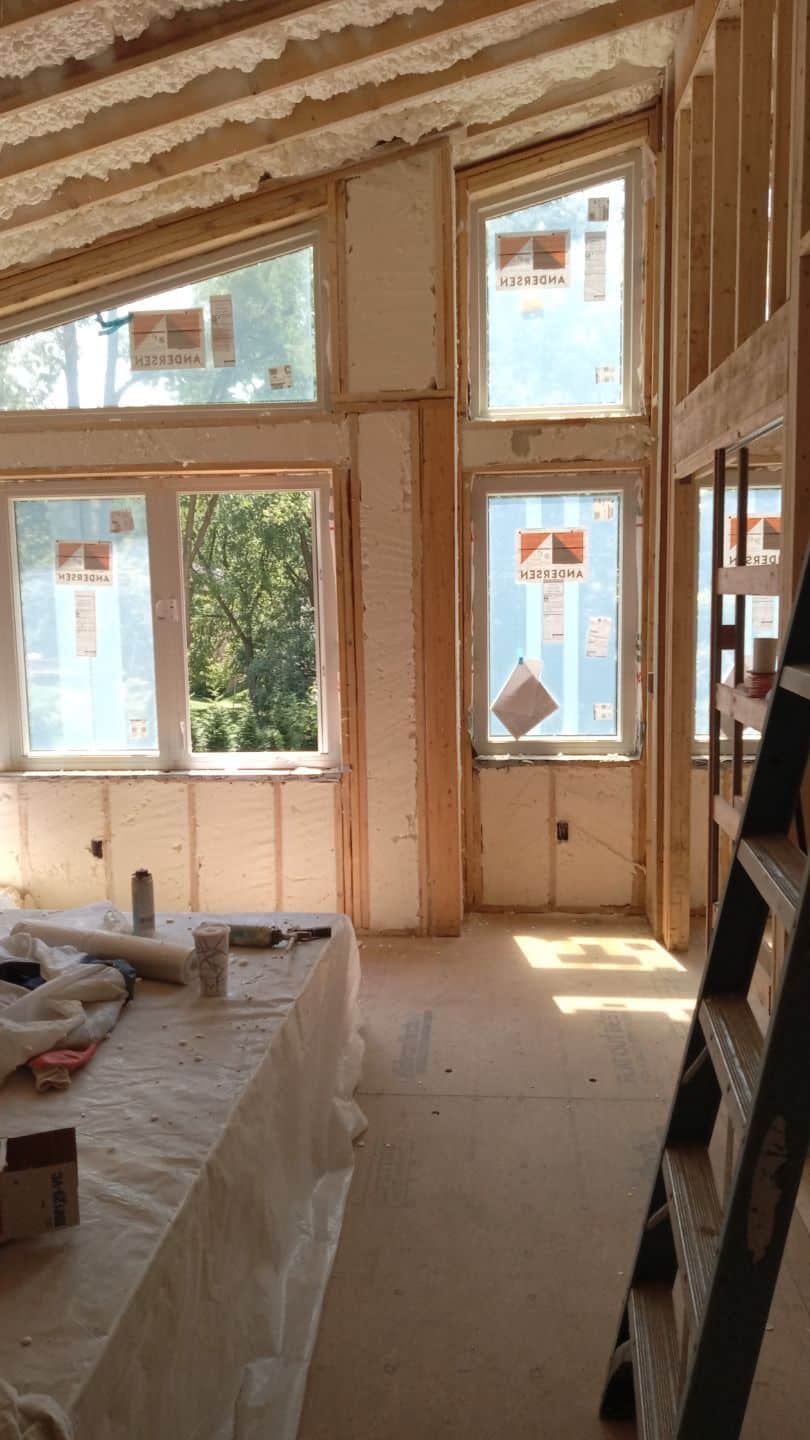
Better sleep and fewer interruptions on video calls.
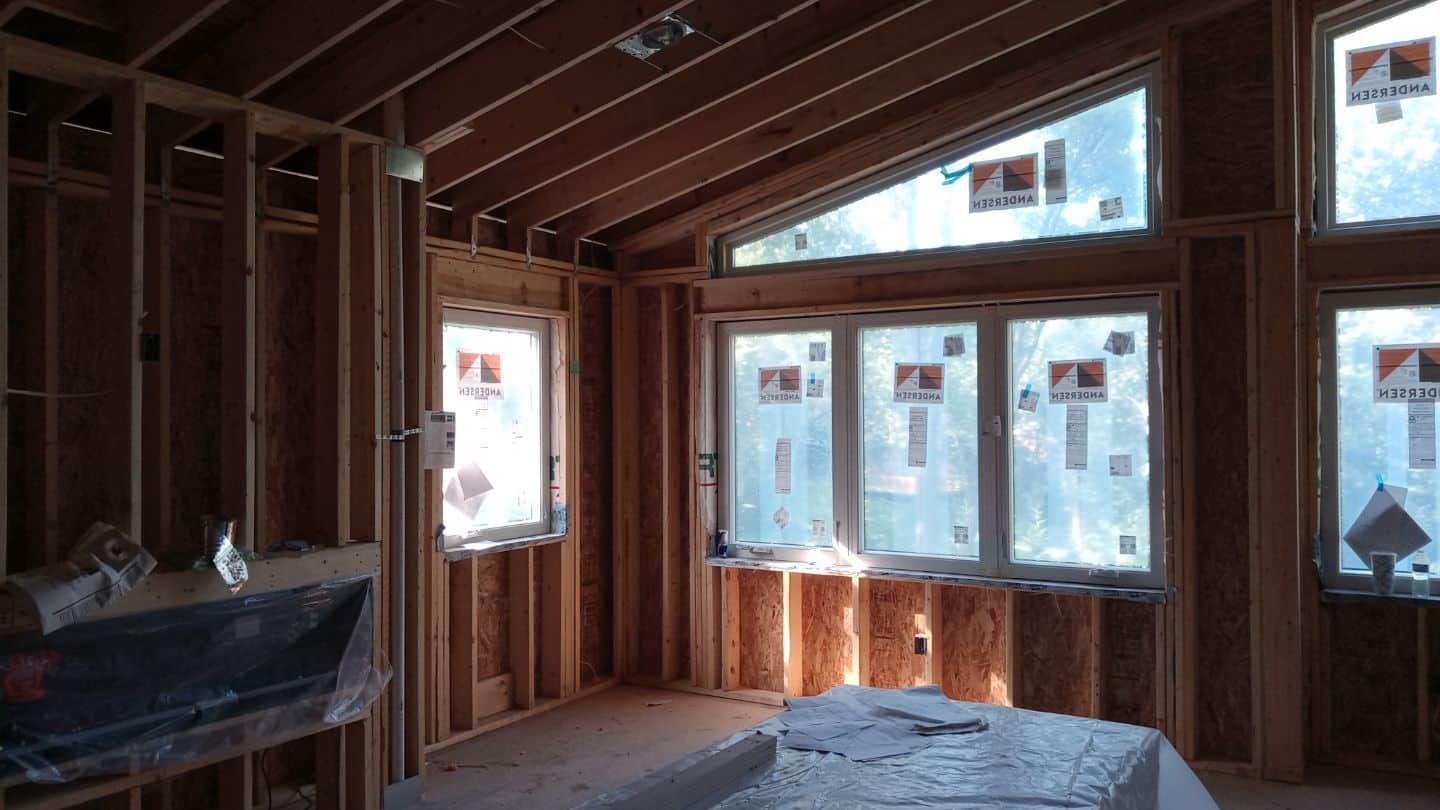
Muffle running water, washers, and dryers between floors.
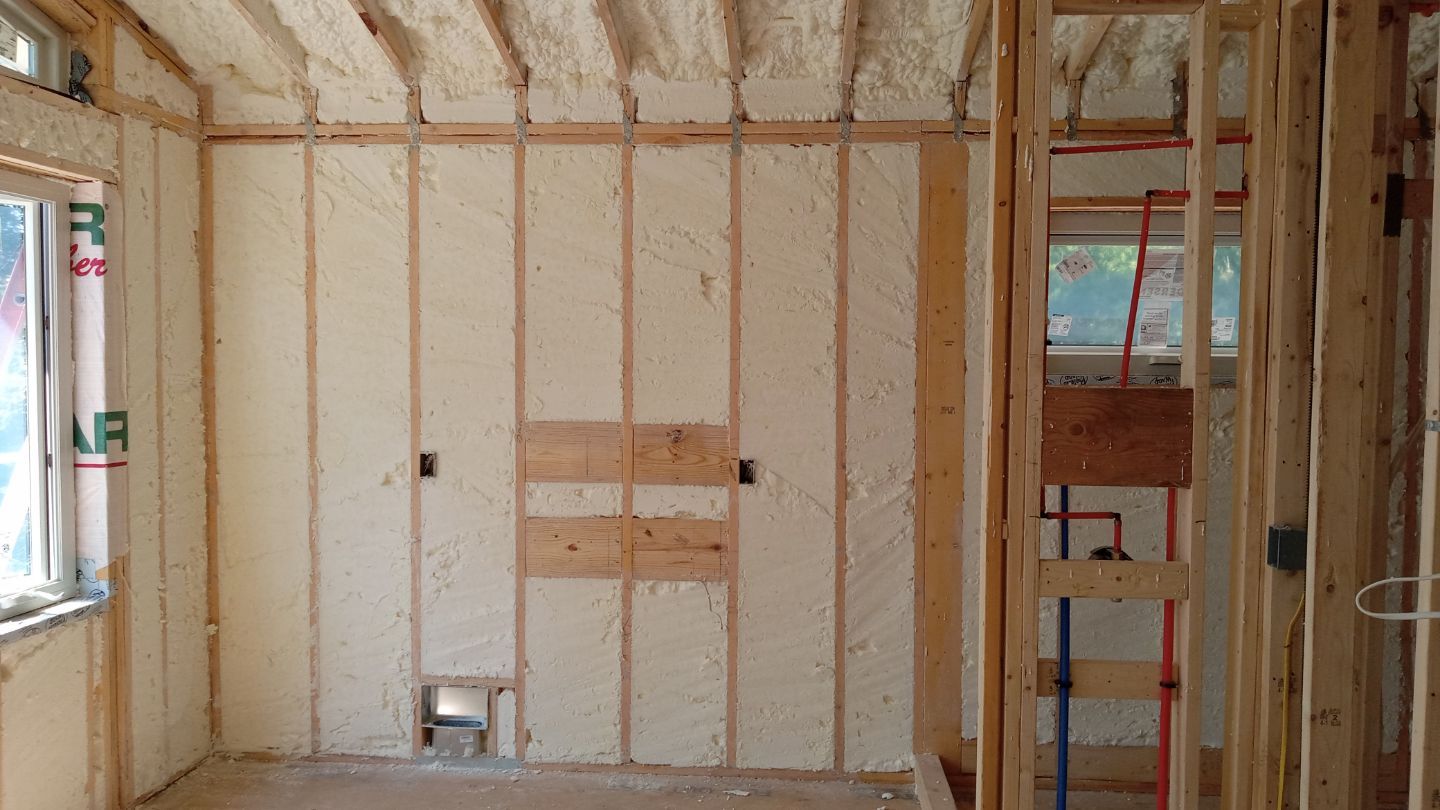
Quiet drain lines, furnaces, and HVAC runs inside the walls.
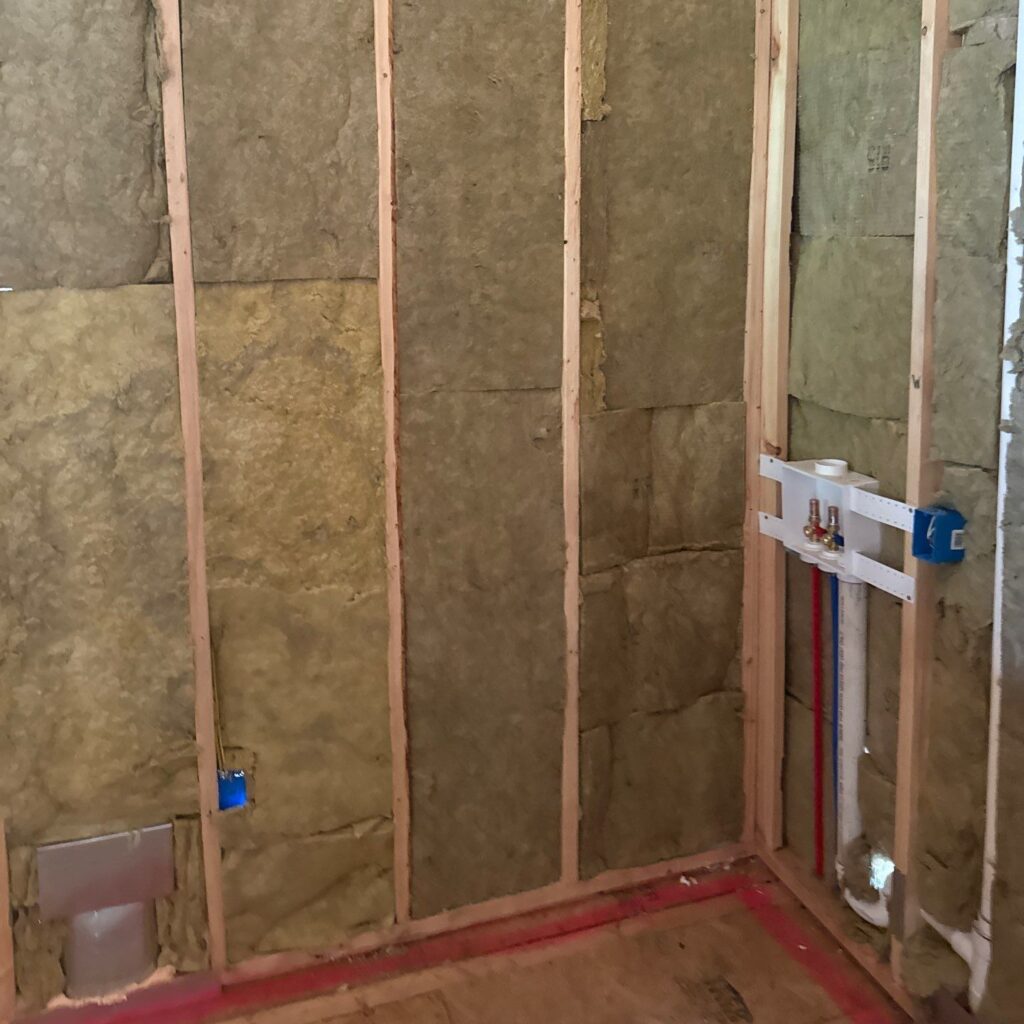
Finish a basement or bonus room without hearing every footstep and fan.
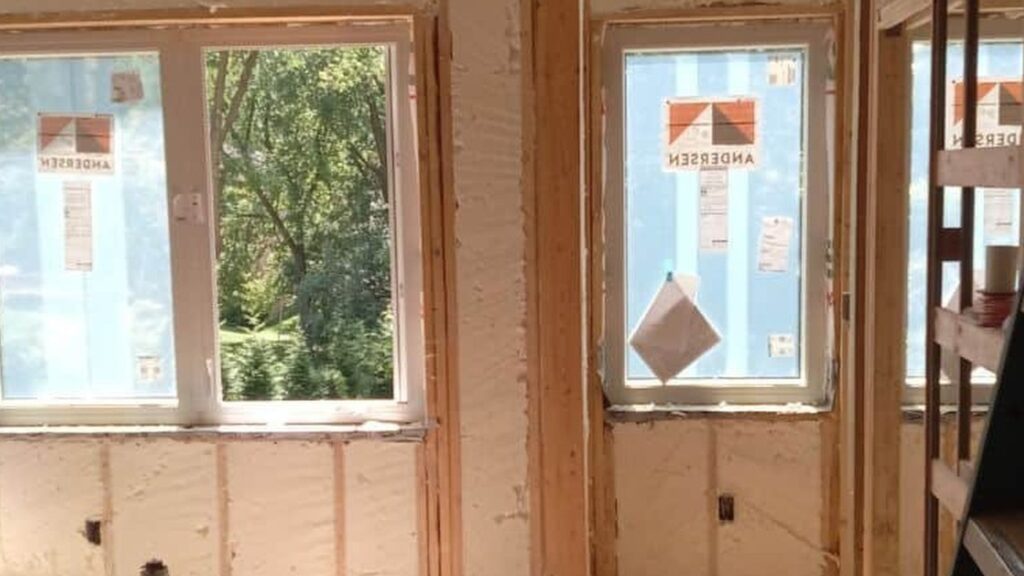
Conference rooms, studios, clinics, and multi-unit buildings.
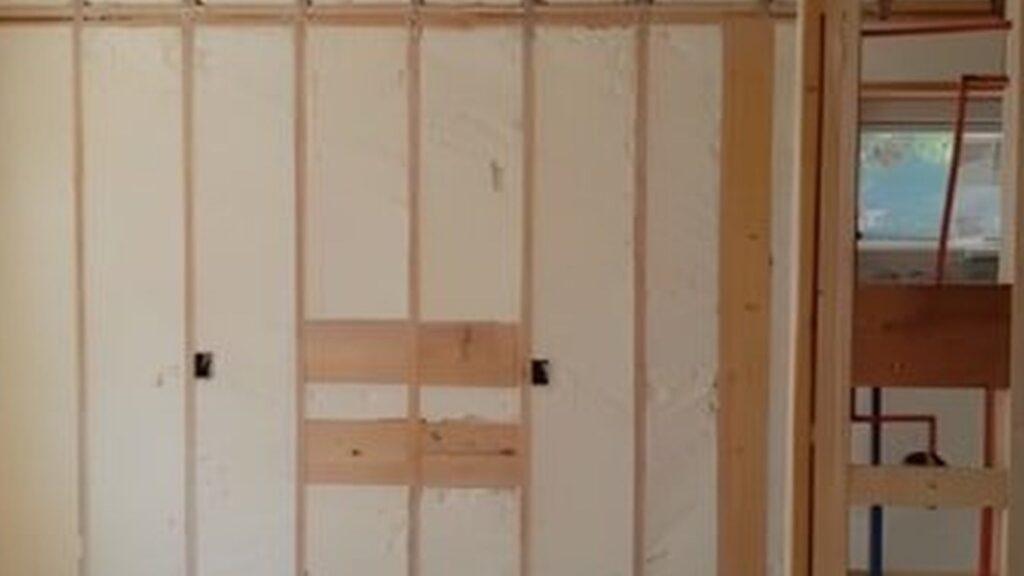
We Know Downriver & Western Wayne Noise
Seal Tech is based in Romulus, right next to Detroit Metro Airport. If you live under a flight path in Romulus, Taylor, Canton, Belleville, or Allen Park, or along I-94, I-275, or Telegraph, we can seal your walls, attic, and rim joists to cut the noise coming in.
Get a Free Noise EvaluationOpen Cell vs. Closed Cell for Soundproofing
Both foams air-seal. For sound inside the home, open cell usually wins. Closed cell is the pick where moisture and structure matter. We often use both on the same project.
Open Cell Foam
Best for SoundSoft and porous, so it absorbs airborne sound inside the cavity.
| Sound control | Excellent for voices, TV, and music |
|---|---|
| Best for | Interior walls, media rooms, ceilings between floors |
| R-value | About R-3.5 to 3.8 per inch |
| Cost | Lower per square foot |
Closed Cell Foam
Best for ExteriorDense and rigid, it blocks air and moisture and adds strength to walls.
| Sound control | Good, mainly through air sealing |
|---|---|
| Best for | Exterior walls, rim joists, basements, metal buildings |
| R-value | About R-6 to 7 per inch |
| Bonus | Moisture barrier and added structural strength |
From Noisy to Quiet in Three Steps
Evaluate1. Find the Noise Path
We look at where the sound is coming from and how the walls, ceilings, and floors are built, then recommend the right foam.
Install2. Seal & Fill
Our crew protects your space and sprays every cavity, seam, and penetration. Existing walls can be done through small access holes.
Enjoy3. Clean Up & Quiet Down
We trim, clean up, and handle inspections. You get a quieter, more comfortable space with lower energy bills.
"Eric and his team did outstanding work. My home is air tight. Eric said my house would be like an insulated cooler when he finished, and he was right."Thomas W. · Google review
"The men from Seal Tech did an incredible job from start to finish. They were professional, polite, on time and very careful when moving my items."Mary Beth D. · Google review
"Excellent and professional installation of foam insulation. Guided us through the whole project and answered all questions timely. Staff took care in our home."Linda A. · Google review
Soundproofing Insulation FAQs
Does spray foam insulation really reduce noise?
Yes. Spray foam reduces airborne noise in two ways: it seals the air gaps that sound travels through, and open-cell foam absorbs sound inside wall and ceiling cavities. Most homeowners notice less traffic, TV, and voice noise right away.
Is open cell or closed cell foam better for soundproofing?
For sound inside the home, open cell foam is usually better because its soft, porous structure absorbs sound. Closed cell foam still helps by air sealing, and it's the better choice for exterior walls, rim joists, and areas exposed to moisture. Many projects use both.
Will spray foam stop footsteps from the floor above?
It will reduce some of that noise, but impact noise like footsteps also depends on how the floor and ceiling are built. Spray foam is most effective on airborne sound. We'll explain what to expect for your specific space during the free evaluation.
Can you soundproof existing walls without tearing out drywall?
Often, yes. Our Wall Foam retrofit fills existing wall cavities through small access holes, so you can quiet a room without gutting it.
Can spray foam help with airport or highway noise?
Yes. Sealing and insulating exterior walls, the attic, and rim joists cuts the outdoor noise that leaks into your home. Seal Tech is based in Romulus next to Detroit Metro Airport, and we insulate homes under flight paths and along busy roads across Southeast Michigan.
Do you soundproof commercial buildings?
Yes. We insulate and soundproof offices, conference rooms, studios, clinics, and multi-unit buildings in both wood and metal construction.
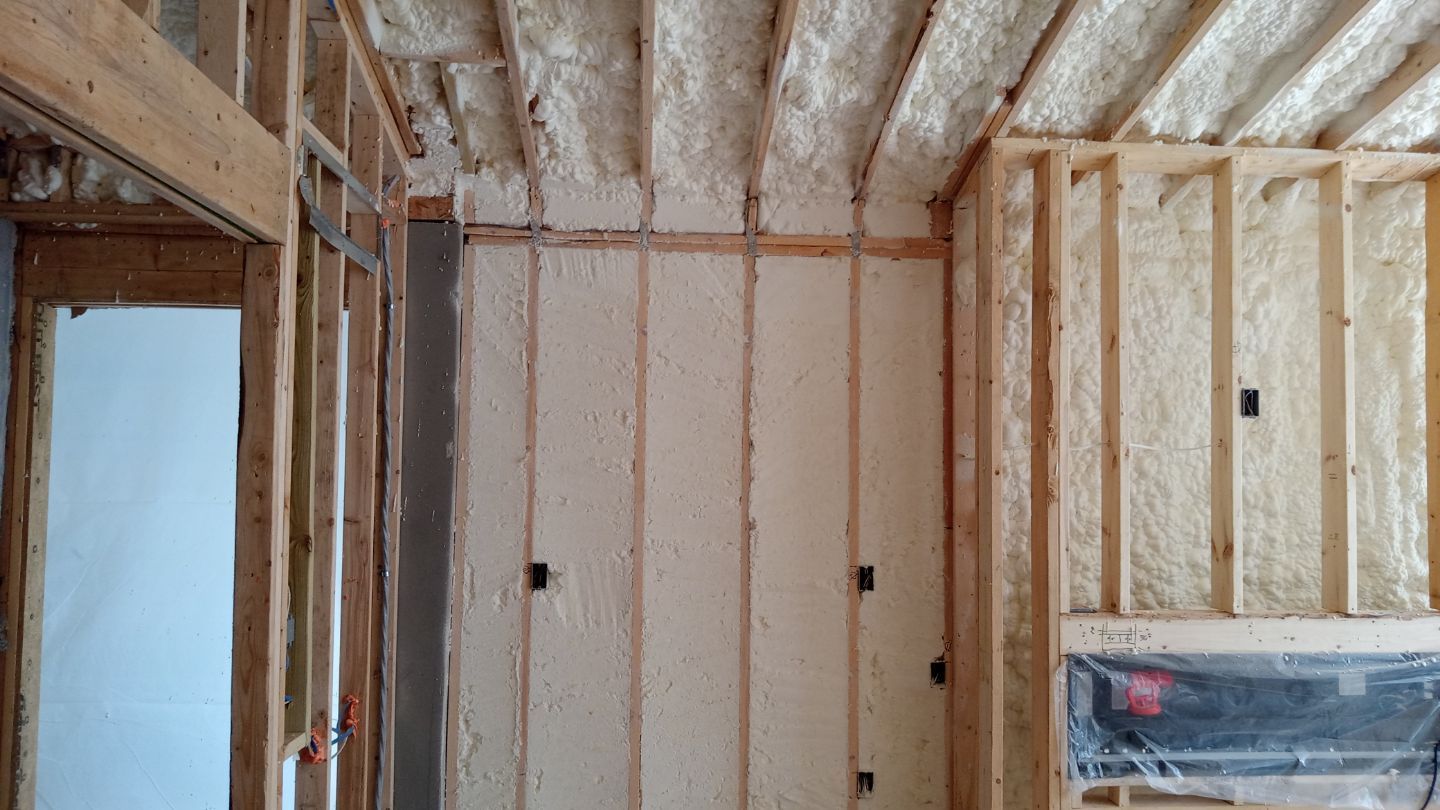
Ready for a Quieter Home or Office?
Tell us what you're hearing and where. We'll find the noise path and recommend the right fix, backed by a manufacturer's Limited Lifetime Warranty.