
Commercial buildings need more than powerful HVAC systems to maintain comfortable indoor temperatures. In fact, the building envelope plays a major role in controlling heat flow, air movement, and energy use. When a ceiling lacks adequate insulation, conditioned air can escape while outdoor heat can enter. Consequently, HVAC equipment may work harder to maintain the desired temperature.
Commercial building ceiling insulation can address these challenges by creating a stronger thermal barrier between interior spaces and the roof or unconditioned areas. Moreover, properly selected insulation can support better air sealing, moisture control, and long-term building performance. Seal Tech Insulation provides commercial insulation solutions designed around the specific needs of commercial properties and new construction projects.
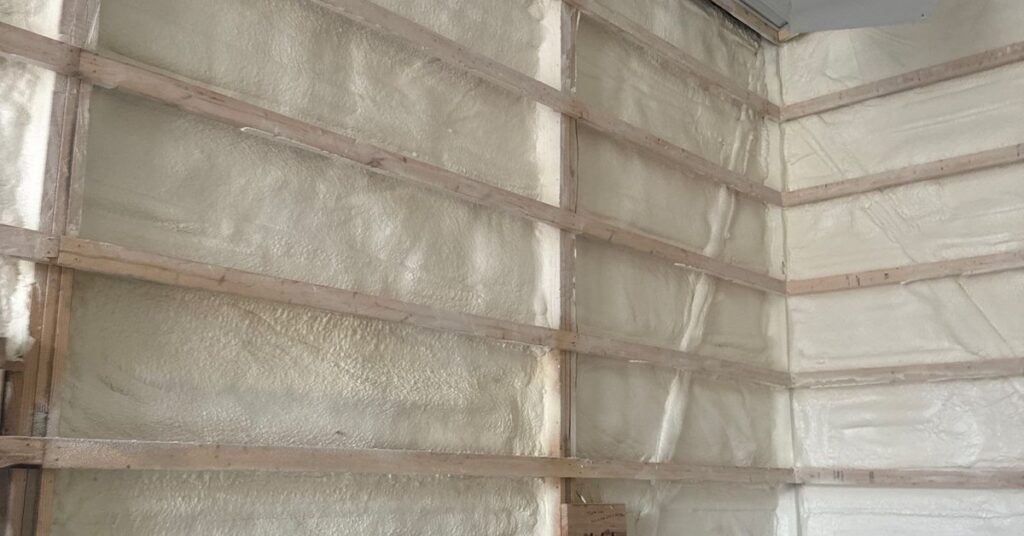
Why Commercial Buildings Need Proper Ceiling Insulation
A commercial ceiling can experience significant heat transfer throughout the year. During summer, solar heat can increase temperatures near the roof. Meanwhile, winter conditions can cause conditioned heat to escape through poorly insulated areas. As a result, businesses may experience uneven temperatures and increased heating or cooling demand.
Commercial building ceiling insulation helps reduce this unwanted heat transfer. Instead of allowing conditioned air to escape easily, insulation creates a thermal barrier that helps stabilize indoor temperatures. Therefore, employees, customers, and occupants can experience a more consistent environment.
Furthermore, effective insulation can complement the building’s HVAC system. When the building envelope performs efficiently, heating and cooling equipment does not need to compensate constantly for excessive heat gain or heat loss.
Key Benefits of Commercial Building Ceiling Insulation
Commercial buildings need effective insulation to control indoor temperatures, reduce energy loss, and support HVAC performance. Proper ceiling insulation also improves comfort, protects building components, and supports long-term efficiency.
1. Better Temperature Control
Consistent indoor temperatures create a comfortable environment. Proper insulation limits heat movement through the ceiling and maintains HVAC temperatures. Therefore, businesses can reduce hot or cold areas.
2. Lower Energy Demand
Insulation reduces conditioned air loss through the building envelope. Consequently, HVAC systems can operate more efficiently. Seal Tech states that its energy-efficient insulation products may reduce energy bills by up to 50%, depending on the property.
3. Reduced HVAC Strain
When insulation performs properly, HVAC equipment does not have to work continuously to overcome heat transfer. As a result, businesses can support more efficient system operation and potentially reduce unnecessary wear.
4. Improved Indoor Comfort
A well-insulated ceiling helps create a more stable and comfortable indoor environment throughout the year. In addition, better temperature control can improve comfort for employees, visitors, tenants, and customers during daily operations.
5. Better Building Protection
Certain insulation systems help manage air movement and moisture. For commercial properties, controlling condensation can protect building components and stored materials. Seal Tech provides spray foam solutions for metal, wood, and other structures.
Commercial building ceiling insulation improves comfort, energy efficiency, and building protection. Seal Tech Insulation provides professional solutions tailored to commercial property needs.
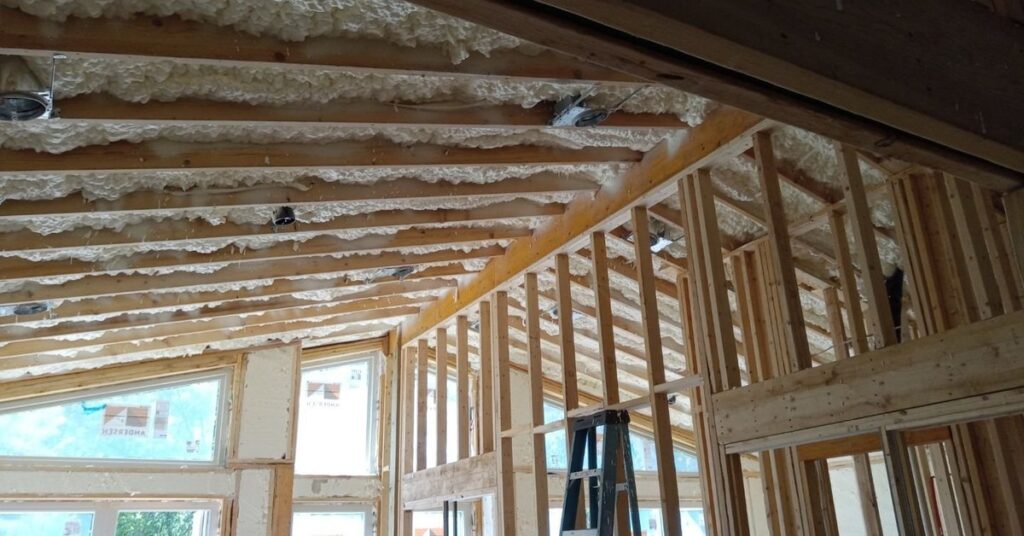
How Spray Foam Supports Commercial Insulation
Spray foam can provide both insulation and air-sealing benefits. Unlike insulation that only focuses on slowing heat transfer, spray foam can expand into gaps and create a more continuous barrier when professionals install it correctly.
Closed-cell spray foam also provides high thermal performance within a relatively limited space. Therefore, it can work well in commercial areas where available insulation depth creates a challenge.
Additionally, spray foam can adhere to different substrates, making it suitable for various commercial structures. Seal Tech specifically highlights experience with wood and metal construction and offers spray foam solutions for commercial applications.
Improving Commercial Building Insulation Through Air Sealing
Insulation alone cannot prevent all energy loss. Air leakage also affects building performance. Therefore, improving commercial building insulation requires air sealing and a whole-building approach coordinated with HVAC systems.
- Identify air leaks around gaps, joints, and penetrations.
- Seal areas where conditioned air can escape.
- Evaluate insulation performance across the entire building envelope.
- Coordinate insulation with HVAC systems and building design.
- Consider windows, lighting, layout, and local climate conditions.
- Use integrated insulation strategies for commercial construction projects.
Improving commercial building insulation requires a complete approach. Seal Tech Insulation helps businesses enhance energy efficiency, comfort, and building performance with professional insulation solutions.
Factors to Consider Before Choosing Insulation
Every commercial building has different requirements. Before selecting an insulation system, property owners and project teams should consider several factors.
First, evaluate the building’s construction type. Steel-framed, wood-framed, and other structures can require different installation strategies. Next, consider the available ceiling or roof-deck space and the required thermal performance.
In addition, assess existing insulation, air leakage, moisture concerns, HVAC performance, and the building’s intended use. For new construction, coordinate insulation decisions with contractors, architects, and developers early in the project. This approach can help create a more complete building envelope from the beginning.
Why Professional Installation Matters
Proper installation ensures insulation performs effectively. Professional installers assess building requirements, prevent gaps, coordinate insulation with other components, and support energy efficiency, comfort, durability, and long-term commercial building performance.
- Accurate Material Application: Professionals apply insulation evenly to achieve consistent coverage.
- Reduced Air Leakage: Proper installation seals gaps and limits unwanted air movement.
- Better Moisture Control: Correct application helps manage moisture and condensation risks.
- Long-Term Building Performance: Professional installation supports efficiency, comfort, durability, and lasting insulation performance.
Professional insulation installation helps commercial buildings achieve consistent performance, improved energy efficiency, better comfort, and moisture control. Seal Tech Insulation delivers tailored solutions that support lasting building value and durability.
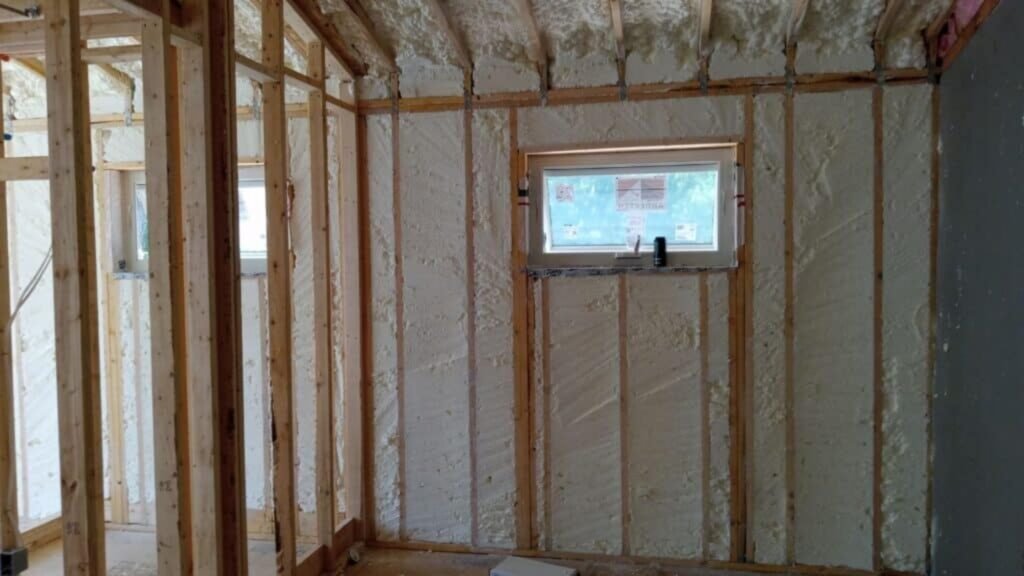
Conclusion
Commercial building ceiling insulation can play an important role in creating a more efficient and comfortable commercial property. By reducing unwanted heat transfer, supporting air sealing, and helping HVAC systems operate under more manageable conditions, proper insulation can improve overall building performance.
At the same time, businesses should evaluate insulation as part of the complete building envelope rather than treating the ceiling as an isolated component. With the right material, design, and installation strategy, property owners can address energy loss while supporting long-term comfort and durability.
Sealtechinsulation has served Southeast Michigan and surrounding areas since 2000, providing insulation solutions for residential and commercial buildings, including new construction. Its team works with different construction types and focuses on high-performance spray foam solutions designed to deliver lasting value.
FAQs
1. What is commercial building ceiling insulation?
Commercial building ceiling insulation creates a thermal barrier that helps reduce heat transfer between conditioned interior spaces and areas outside the conditioned envelope.
2. Can spray foam improve commercial ceiling insulation?
Yes. Spray foam can provide thermal insulation while also helping seal gaps and air leaks. However, the appropriate system depends on the building design and project requirements.
3. How does ceiling insulation help reduce energy use?
Proper insulation reduces unwanted heat transfer. Consequently, HVAC systems may need less energy to maintain consistent indoor temperatures.
4. Is professional installation necessary for commercial insulation?
Professional installation ensures proper coverage and air sealing. Commercial buildings have different requirements, so experienced evaluation helps determine the right approach.