
A poorly insulated attic can make rooms uncomfortable, increase HVAC workload, and allow conditioned air to escape throughout the year. Attic Insulation Michigan homeowners should consider more than insulation depth alone. Air leakage, ventilation, moisture, insulation condition, and construction details all influence overall performance. Therefore, a careful attic evaluation should come before any upgrade recommendation. Proper assessment can reveal hidden gaps, uneven coverage, or airflow issues that reduce efficiency. This guide explains common warning signs, insulation options, air sealing priorities, local considerations, maintenance needs, and professional planning steps to help homeowners improve comfort, energy performance, and long-term attic protection.
Why Attic Insulation in Michigan Matters
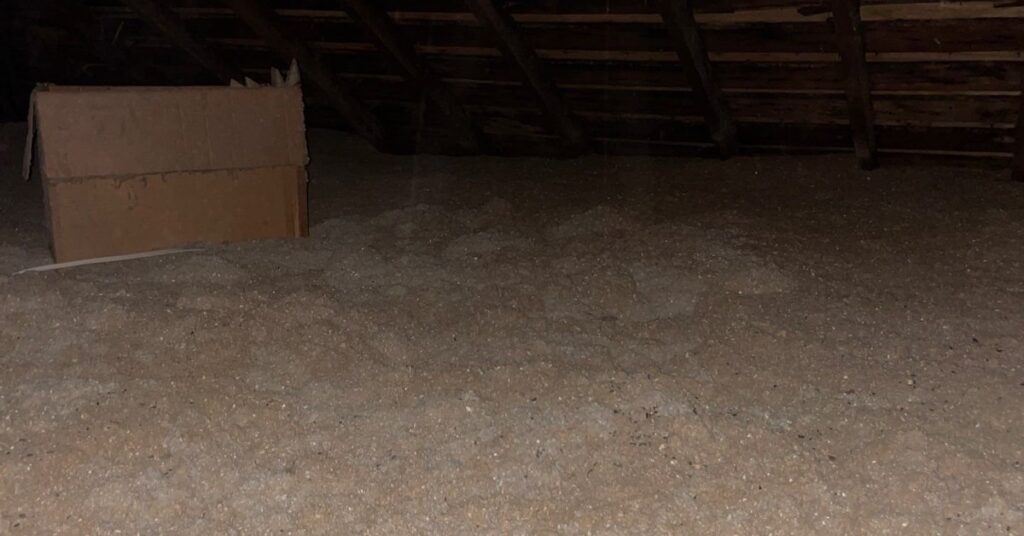
Michigan homes face cold winters, warm summers, and major seasonal temperature changes, making effective attic insulation essential for comfort and efficiency. Air leaks can reduce performance even when insulation appears adequate, so ENERGY STAR recommends sealing leaks before adding insulation. Homeowners should also check for gaps, compressed areas, disturbed material, ventilation issues, and moisture. Seal Tech Insulation evaluates existing insulation, coverage, airflow, access, ventilation, and building conditions before recommending blown-in or spray-foam solutions. Homeowners can review Seal Tech’s attic insulation services for more detailed information.
Warning Signs Your Attic May Need Attention
Attic insulation problems often reveal themselves through comfort, energy, and moisture changes. Recognizing these warning signs early helps homeowners schedule inspections before small issues become larger, more expensive concerns indoors.
1. Uneven Indoor Temperatures
Rooms beneath the attic may feel noticeably hotter or colder than nearby spaces. Uneven temperatures often indicate weak insulation coverage, air leakage, or thermal gaps that deserve professional inspection promptly.
2. High Heating or Cooling Costs
Unexpected increases in heating or cooling costs can signal insulation problems. Poor attic coverage and uncontrolled air leakage force HVAC systems to run longer, increasing energy use and expenses significantly.
3. Drafts and Cold Ceilings
Drafts near ceilings, walls, or attic access points can reveal air leakage. Cold ceiling surfaces during winter may also indicate inadequate insulation or weak thermal protection above living areas indoors.
4. Ice Dam Concerns
Escaping indoor heat can warm roof surfaces during winter, causing snow to melt and refreeze near colder edges. This cycle may contribute to damaging ice dams and moisture problems outside.
5. Moisture or Condensation Problems
Condensation, damp insulation, stains, or musty odors can indicate attic moisture issues. Homeowners should address moisture quickly because prolonged exposure may reduce insulation performance and damage surrounding building materials nearby.
Early attention to attic warning signs helps protect comfort, efficiency, and building materials while preventing larger insulation and moisture problems.
Air Sealing Before Adding Insulation
Air sealing strengthens attic insulation performance by stopping uncontrolled airflow, reducing energy loss, and helping homeowners create an effective barrier.
- Seal gaps around plumbing, wiring, and hatches.
- Check recessed lights for hidden air leaks.
- Use proper materials near chimneys and flues.
- Protect soffits to maintain necessary attic airflow.
- Professional inspections can reveal concealed leakage points.
- Combine sealing with insulation for stronger performance.
Proper air sealing helps insulation work efficiently, improves comfort, and reduces energy loss throughout homes.
Choosing the Right Attic Insulation Approach
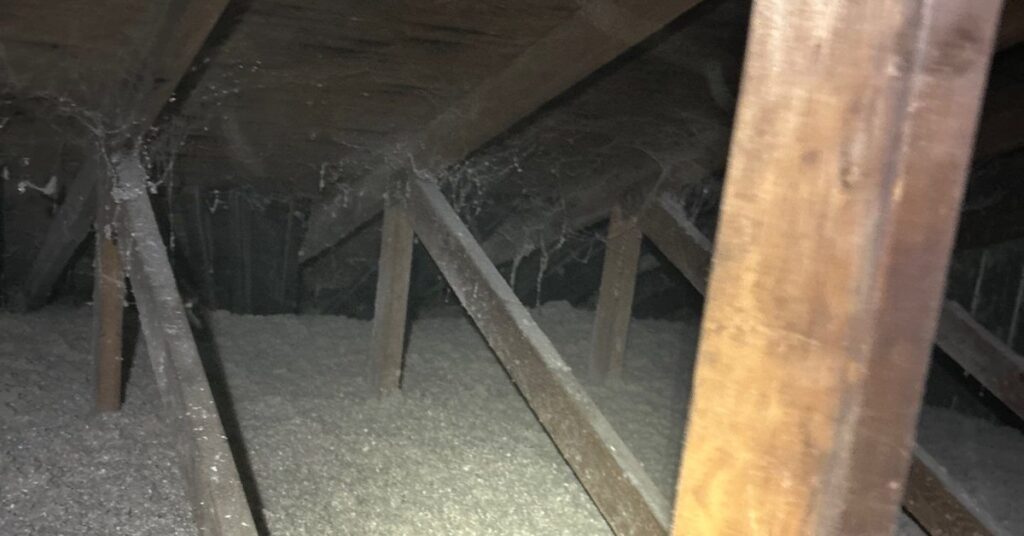
Choosing the right attic insulation depends on existing materials, roof design, ventilation, moisture conditions, accessibility, and long-term performance goals for each individual home.
- Blown-In Insulation: Covers broad attic areas and fills spaces around framing efficiently.
- Spray Foam Insulation: Provides insulation and air-sealing benefits in suitable attic assemblies.
- Existing Material Review: Dry, clean insulation may remain when conditions support continued use.
- Building Assembly Evaluation: Professionals should match insulation methods to ventilation and moisture requirements.
The right insulation approach improves comfort, supports efficiency, and helps homeowners avoid unnecessary removal or poorly matched installation choices later.
Local Insulation Needs in Saline and Ann Arbor
Homes in Saline and Ann Arbor vary widely, requiring insulation strategies that reflect construction age, attic design, and renovation history.
- Older homes may need upgraded attic insulation.
- Newer properties can still develop insulation gaps.
- Renovations may disturb existing attic insulation coverage.
- Cathedral ceilings require carefully planned insulation strategies.
- Seal Tech serves Saline and Ann Arbor.
- Property evaluations support more accurate insulation recommendations.
Local evaluations help homeowners choose insulation solutions that match each property’s specific needs and construction.
How Much Insulation Does an Attic Need?
The right attic insulation level depends on R-value, material type, installation quality, local requirements, ventilation, and the home’s overall building assembly and energy performance goals.
- R-Value: Higher R-values provide stronger resistance against unwanted heat transfer through attics.
- Local Requirements: Recommended insulation levels may vary by climate, codes, and construction.
- Even Coverage: Consistent insulation depth helps prevent weak thermal areas near eaves.
- Ventilation Protection: Installers should keep soffit vents clear to maintain proper airflow.
Proper insulation depth, even coverage, and clear ventilation pathways help homeowners improve comfort, efficiency, and long-term attic performance at home.
Professional Evaluation and Long-Term Care
A professional evaluation can uncover issues that basic visual checks may miss. Therefore, technicians can inspect insulation depth, air leakage, access, moisture, ventilation, and structural details before recommending work.
Furthermore, homeowners should continue monitoring the attic after installation. Roof leaks, pests, renovations, electrical work, or HVAC projects can disturb insulation and air-sealing details.
Seal Tech Insulation offers attic evaluations for homes, remodels, new construction, and applicable commercial projects. Consequently, homeowners can request a free evaluation for project-specific guidance.

Conclusion
Attic Insulation Michigan homeowners choose should respond to insulation levels, air leakage, ventilation, moisture, and construction details. A thoughtful upgrade can improve comfort and support more efficient heating and cooling. However, homeowners should treat the attic as a complete system rather than simply add material.
For Attic Insulation Michigan projects, Seal Tech Insulation brings more than two decades of experience to attic, spray foam, and broader insulation work across Southeast Michigan. Therefore, homeowners can contact Seal Tech Insulation for an evaluation tailored to their property.
Frequently Asked Questions
1. How do I know whether my attic needs more insulation?
Uneven temperatures, drafts, visible joists, or thin insulation can justify a professional evaluation.
2. Should air leaks be sealed before adding attic insulation?
Yes. Air sealing first helps insulation perform effectively and reduces uncontrolled airflow.
3. Does Seal Tech serve Saline and Ann Arbor?
Yes. Seal Tech lists Saline and Ann Arbor within its Southeast Michigan coverage.
4. What insulation type works best for a Michigan attic?
The right material depends on attic design, insulation, ventilation, moisture, and performance goals.