Michigan homeowners experience freezing winters, warm summers, and significant temperature changes. Effective insulation maintains comfortable indoor temperatures and manages energy costs. However, inadequate attic insulation allows heat to escape during winter and enter during summer.
Professional Attic Insulation Saline MI services improve thermal performance and reduce energy loss. Moreover, proper insulation reduces drafts and supports consistent indoor comfort throughout the year, regardless of changing outdoor temperatures.
Seal Tech Insulation serves Southeast Michigan with blown-in insulation and spray foam solutions. By assessing existing insulation, air leakage, and ventilation, the company recommends suitable improvements for homeowners seeking better energy efficiency and lasting comfort.
Why Is Attic Insulation Important in Michigan?
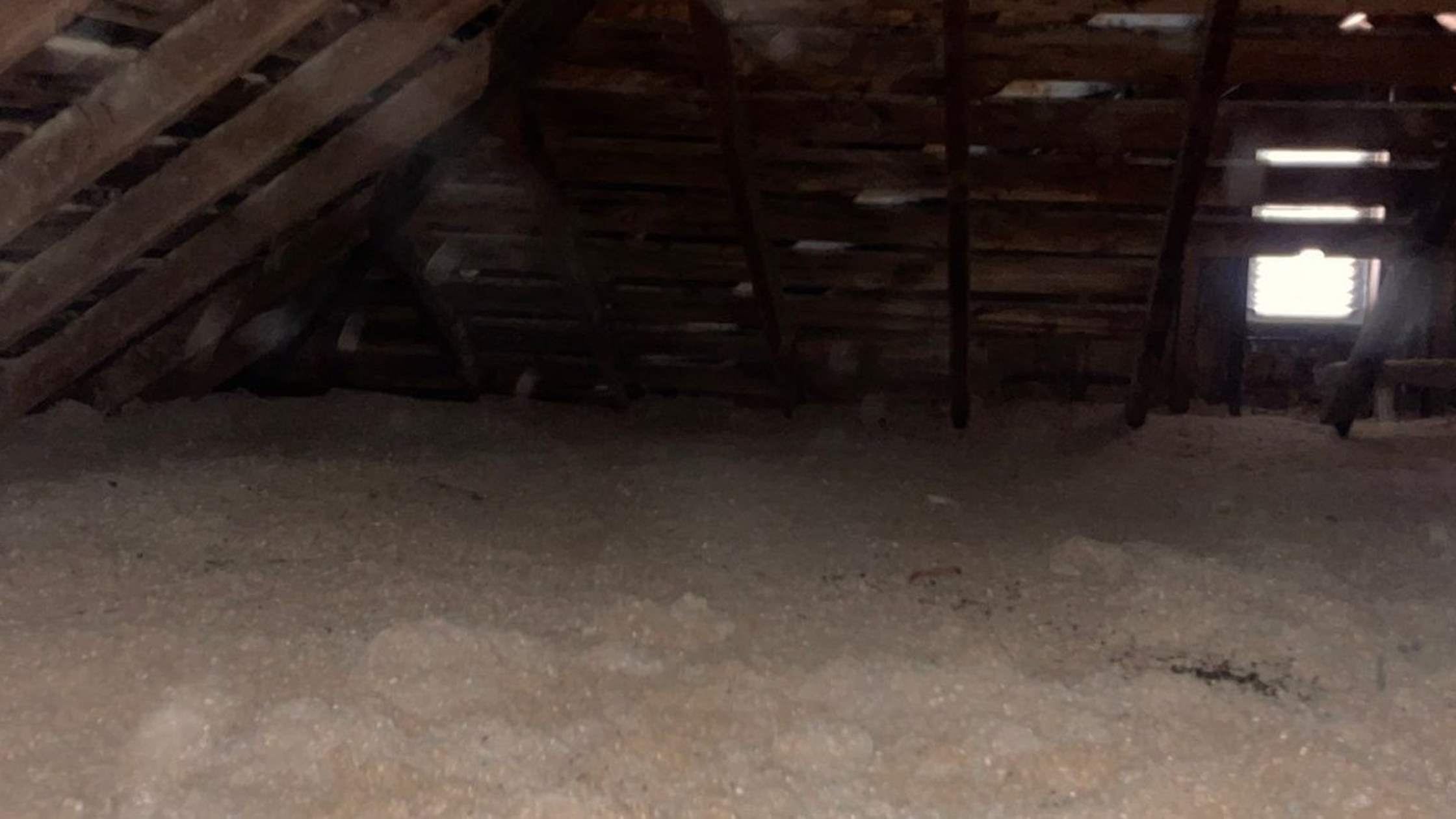
Attic insulation improves energy efficiency by reducing winter heat loss and summer heat gain. Consequently, it supports comfortable indoor temperatures and reduces heating and cooling demands.
- Improved indoor comfort: Insulation helps reduce temperature fluctuations between rooms and floors.
- Better energy efficiency: An effective thermal barrier reduces unwanted heat transfer throughout your home.
- Lower energy consumption: Improved insulation can reduce heating and cooling demands.
- Moisture management: Appropriate insulation, air sealing, and ventilation help control condensation risks.
- HVAC efficiency: Reduced heat transfer can help your heating and cooling equipment maintain comfortable conditions.
However, insulation alone cannot correct every energy problem. Air leaks, ventilation issues, and existing moisture damage may also require attention.
Signs Your Home Needs Attic Insulation
Recognizing insulation problems early helps you plan improvements before discomfort becomes a persistent concern. Therefore, look for these common warning signs.
1. Uneven Indoor Temperatures
If your upstairs bedrooms feel colder in winter or hotter in summer than other rooms, your attic insulation may provide insufficient thermal protection. Nevertheless, HVAC imbalances and air leaks can also cause these problems.
2. Rising Heating and Cooling Bills
Unexpected increases in energy costs may indicate unwanted heat transfer. However, compare seasonal weather, energy rates, and equipment performance before attributing higher bills entirely to insulation.
3. Thin or Uneven Insulation
Visible gaps, compressed materials, and uncovered areas can reduce insulation effectiveness. Additionally, older insulation may no longer meet your home’s current energy-efficiency needs, increasing heating and cooling costs over time.
4. Drafts and Ice Dams
Cold drafts may indicate air leaks around attic access points or ceiling openings. Ice dams form when attic heat melts rooftop snow, which refreezes near colder edges. Proper insulation, air sealing, ventilation, and roof design help prevent these problems.
Recognizing these warning signs helps homeowners address insulation problems early. A professional attic inspection can improve energy efficiency and maintain comfortable indoor temperatures throughout Michigan’s changing seasons.
Choosing the Right Attic Insulation
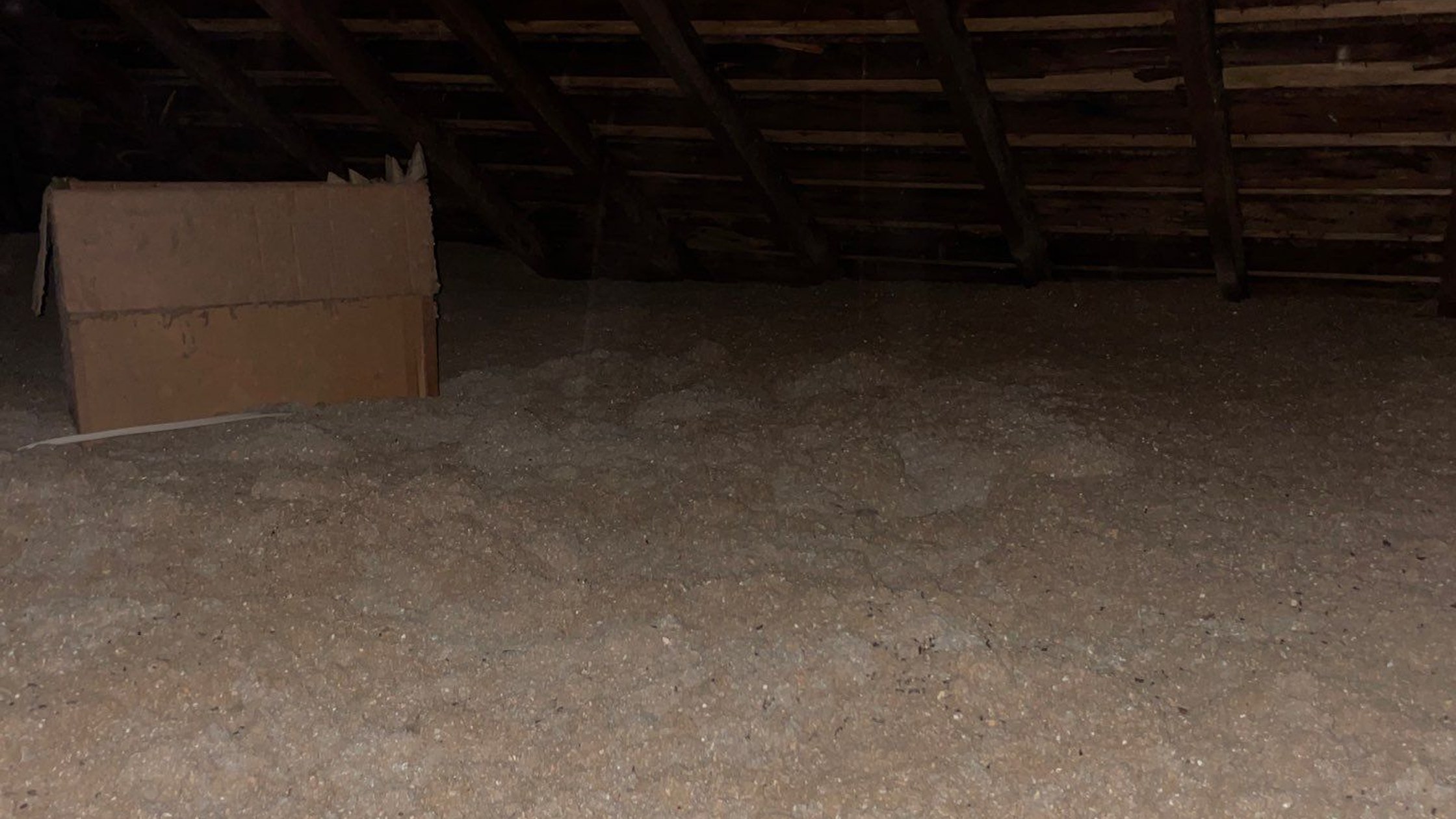
The best insulation depends on your attic structure, existing materials, budget, and energy-efficiency goals. Therefore, homeowners should compare available options before beginning an upgrade. Consider these important factors:
- Insulation R-value: Choose suitable thermal resistance to maintain comfort during Michigan’s seasonal temperature changes.
- Existing insulation: Inspect current materials and coverage before adding new insulation to your attic.
- Air leakage: Seal gaps around attic openings to reduce unwanted heat loss and improve overall home energy efficiency.
- Moisture control: Address roof leaks and condensation risks before installing additional insulation materials.
- Professional assessment: Consult an insulation expert to select materials suited to your attic’s specific requirements.
Choosing suitable attic insulation improves comfort and energy efficiency. Evaluate existing materials, air leakage, moisture control, and insulation requirements to achieve lasting performance and reliable results.
How Professional Attic Insulation Improves Energy Efficiency
Successful insulation projects require more than adding material to the attic. Instead, contractors should evaluate the entire attic assembly and identify factors that affect performance.
First, an assessment examines existing insulation depth, coverage, and condition. Next, the contractor identifies accessible air-leakage areas and reviews ventilation requirements.
Afterward, the installer selects a suitable insulation method and prepares the work area. For blown-in projects, the team may install appropriate vent baffles to preserve airflow near soffits. For spray foam projects, installers prepare the relevant surfaces and follow product-specific application requirements.
Finally, the contractor reviews the completed work and addresses cleanup or applicable inspections.
This systematic approach helps homeowners avoid common problems, such as blocked ventilation, uneven coverage, and unresolved air leaks.
How to Choose an Attic Insulation Contractor
Selecting a qualified contractor helps you make informed decisions about materials, installation, and long-term performance. Therefore, evaluate these important factors before committing to a project.
- Choose a contractor familiar with Michigan homes and seasonal weather conditions.
- Ask why the proposed insulation suits your attic and building assembly.
- Confirm whether the estimate includes appropriate air-leakage improvements.
- Ensure proper airflow and moisture control.
- Compare materials, labor, preparation, cleanup, and additional services.
- Review the specific coverage, limitations, and applicable manufacturer requirements.
Furthermore, request a professional evaluation rather than choosing insulation solely by price. A well-planned project should address your home’s actual needs.
Conclusion
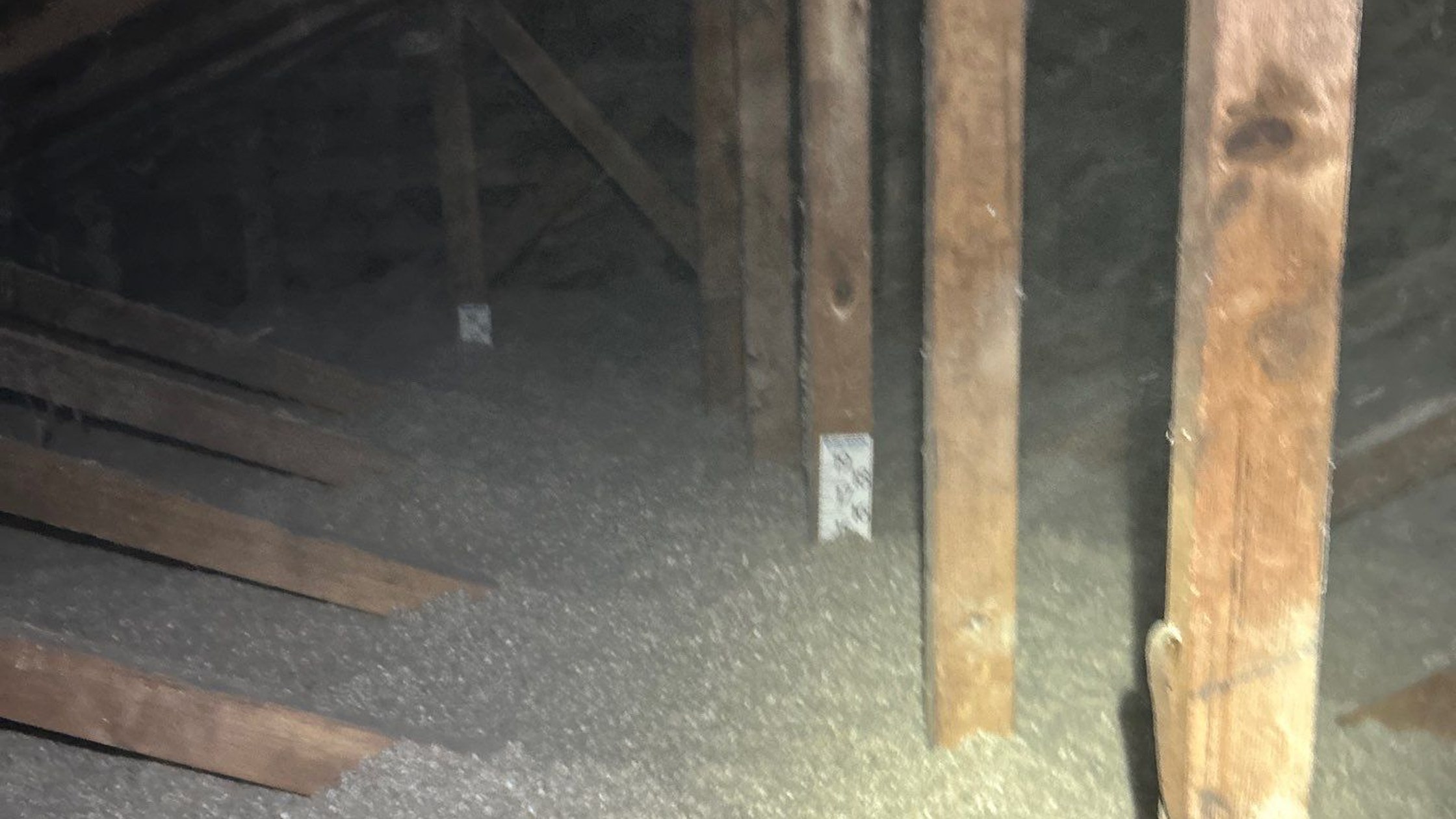
Effective attic insulation helps Michigan homeowners improve indoor comfort, manage energy consumption, and reduce unwanted heat transfer throughout the year. By addressing insulation gaps, air leakage, and ventilation requirements, you can make a practical improvement to your home’s energy performance.
For homeowners considering Attic Insulation Saline MI, Sealtechinsulation offers attic insulation solutions alongside blown-in insulation and spray foam services throughout Southeast Michigan. The company evaluates existing conditions and recommends suitable approaches for individual properties.
FAQs
1. How do I know if my attic needs more insulation?
Look for thin or uneven insulation, uncomfortable upstairs rooms, drafts, and increasing energy bills. However, a professional assessment can identify whether insulation, air sealing, ventilation, or another issue needs attention.
2. Is blown-in attic insulation suitable for older homes?
Yes. Blown-in fiberglass or cellulose can suit many existing attics because installers can distribute the material across accessible attic floors. Nevertheless, contractors should check existing insulation, wiring, ventilation, and moisture conditions before installation.
3. How much does attic insulation cost in Saline, MI?
The cost depends on attic size, existing insulation, material selection, required insulation depth, preparation, and labor. Request a written estimate after an inspection to understand the project’s total cost.
4. Does Seal Tech Insulation serve Ann Arbor, MI?
Yes. Seal Tech Insulation serves Ann Arbor, Saline, and other Southeast Michigan communities. Homeowners can contact the company to discuss attic insulation options, request an evaluation, and determine which solution suits their property’s needs.
Ready for a more comfortable home?
Get a free, no-pressure estimate from the Seal Tech crew. Spray foam, attic, wall and crawl space insulation across Southeast Michigan, backed by a lifetime warranty.