
Cold upstairs bedrooms, uneven indoor temperatures, and rising heating bills may indicate inadequate attic insulation. Homeowners searching for Attic Insulation Installers Ann Arbor MI need experienced professionals who address more than insulation gaps. A thorough attic assessment identifies air leaks, moisture problems, ventilation concerns, and areas where heat escapes. Moreover, Michigan’s freezing winters and humid summers make proper insulation essential for year-round comfort and energy efficiency. Therefore, choosing suitable materials and installation methods can improve indoor temperatures while reducing unnecessary energy consumption. This guide explores common insulation problems, available materials, installation costs, and practical tips for selecting qualified local professionals.

Why Attic Insulation Matters in Ann Arbor
Underinsulated ceilings let winter heat escape and summer heat enter. Consequently, upstairs rooms may feel uncomfortable even when the heating or cooling system works correctly. Insulation reduces heat transfer and stabilizes temperatures.
Ann Arbor falls within climate zone 5A. Seal Tech identifies R-49 as a local minimum attic target. Meanwhile, ENERGY STAR recommends R-49 to R-60 when homeowners upgrade many existing attics in zone 5. Your ideal specification depends on construction and existing coverage. Therefore, ask installers to measure current insulation rather than estimate performance from appearance alone.
Warning Signs Your Attic Needs Attention
Attic insulation problems often develop gradually, causing uncomfortable rooms, higher energy bills, and moisture concerns. Watch for these warning signs before scheduling a professional inspection.
- Uneven Room Temperatures: Upstairs rooms feel unusually hot during summer and cold throughout winter despite thermostat adjustments.
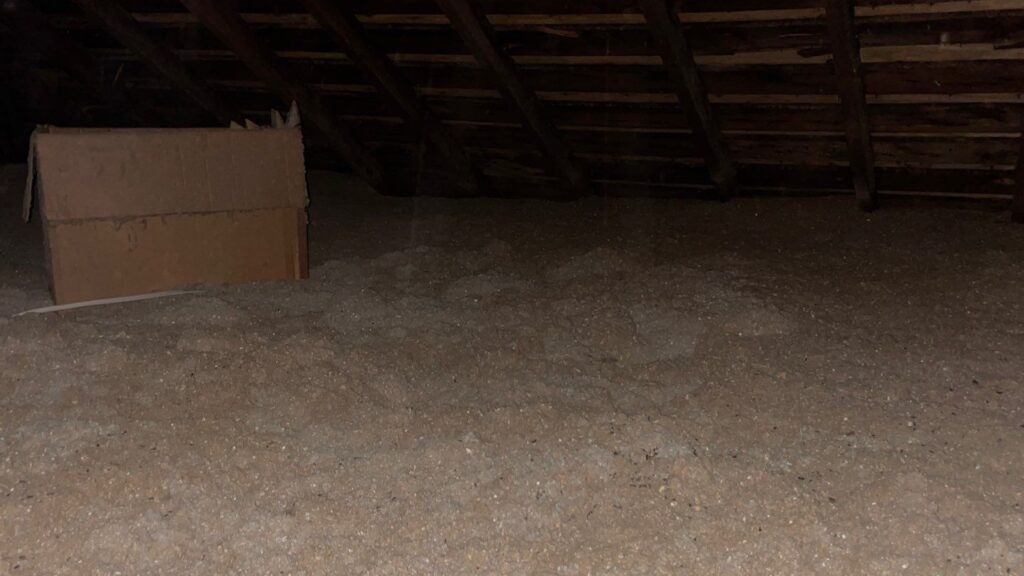
- Visible Insulation Gaps: Exposed ceiling joists or uncovered corners reveal inadequate insulation coverage and potential heat loss.
- Winter Ice Dams: Escaping indoor heat melts rooftop snow, which refreezes along eaves and creates ice dams.
- Moisture and Energy Concerns: Unexpected energy increases, attic frost, or damp wood may indicate insulation and airflow problems.
These warning signs may have several causes. Therefore, schedule a professional inspection before deciding which insulation improvements your home needs.
Choose Between Blown-In Insulation and Spray Foam
Choosing the right attic insulation material depends on your home’s structure, thermal boundary, and energy efficiency requirements. For example, open attic floors require different insulation solutions than complex Cape Cod rooflines.
A. Attic Insulation Ann Arbor MI: Blown-In Options
Installers apply cellulose or fiberglass across accessible attic floors, effectively filling gaps around framing. Moreover, professionals seal air leaks and maintain proper soffit ventilation before installation. Consistent insulation depth helps achieve the required R-value, improving energy efficiency and indoor comfort.
B. Attic Insulation Ann Arbor: Roofline Spray Foam
Knee walls, dormers, and cathedral ceilings create challenges for traditional attic insulation. Therefore, roofline spray foam offers an effective alternative by sealing complex framing gaps, reducing air leakage, and improving thermal performance. Moreover, it supports consistent indoor temperatures throughout the year.
However, contractors must evaluate moisture control, fire safety, ventilation requirements, and roof design before selecting appropriate spray foam insulation materials.
What Attic Insulation Installers Ann Arbor MI Should Inspect
Before installation, qualified attic specialists evaluate insulation coverage, air leakage, moisture, ventilation, and electrical safety concerns to recommend appropriate improvements.
- Inspect existing insulation depth and identify exposed joists.
- Locate air leaks around pipes, fixtures, and hatches.
- Check ventilation baffles and investigate moisture or damage.
- Assess wiring hazards and maintain safe fixture clearances.
- Review local attic insulation services and energy audits.
Therefore, request a detailed inspection before choosing insulation materials or approving any proposed installation work.

How a Professional Installation Usually Works
Professional attic insulation follows a clear process that prioritizes safety, efficiency, and lasting comfort. Understanding each stage helps Ann Arbor homeowners compare proposals and prepare for installation with greater confidence.
1. Inspect and Plan the Installation
First, installers inspect existing insulation, attic access, and structural conditions. They identify problem areas, recommend suitable materials and R-values, and provide a written proposal covering necessary repairs and installation details.
2. Seal Air Leaks and Gaps
Next, crews seal accessible gaps around ceiling fixtures, pipes, wall plates, and attic hatches. They also protect soffit ventilation, reducing heat loss and helping the new insulation perform more effectively.
3. Install the Selected Insulation Material
Then, technicians install blown-in insulation or spray foam according to the approved plan. They follow manufacturer guidelines, maintain consistent coverage, and protect fixtures and surfaces requiring proper clearance for safety.
4. Verify Ventilation and Complete Inspection
Finally, installers verify coverage, check ventilation, and inspect the finished work. They clean the worksite and review results with homeowners. Seal Tech’s attic insulation guide explains its professional installation approach.
A structured installation improves comfort and prevents mistakes. Therefore, choose contractors who explain their methods, document results, and address attic conditions properly.
Understanding Local Installation Costs
Attic insulation costs vary based on property size, material selection, accessibility, and preparation needs. Therefore, Ann Arbor homeowners should compare detailed estimates before scheduling installation.
- Blown-In Insulation Costs: Seal Tech lists typical blown-in attic floor installation costs between $1,500 and $3,000 locally.
- Spray Foam Pricing: Cape Cod open-cell spray foam projects typically cost 2,500–4,500, according to Seal Tech’s estimates.
- Attic Size and Accessibility: Larger attic spaces and restricted entry points typically increase installation labor and material needs.
- Preparation and Removal Costs: Old insulation removal, necessary repairs, and air sealing can increase total project costs significantly.
- Additional Services and Incentives: Check ventilation, hatch treatment, cleanup, and potential utility rebates before comparing local contractor estimates.
When comparing Attic Insulation Installers Ann Arbor MI, request itemized quotes, verify included services, and confirm prices through on-site assessments.
Make Comfort and Safety Your Priorities
Low bids may omit essential preparation. Instead, compare inspection quality, material specifications, workmanship details, and how contractors handle unexpected conditions. Request details about insulation placement and moisture control.
For independent guidance, consult ENERGY STAR’s insulation recommendations. Additionally, the Department of Energy’s Building America guidance explains how air sealing, insulation, and ventilation work together to reduce ice-dam risks.
Conclusion
Effective attic upgrades address underlying problems. Therefore, prioritize a property-specific inspection, appropriate R-value, safe installation, and clear pricing. If you are comparing Attic Insulation Installers Ann Arbor MI, SealTechInsulation offers local evaluations and both blown-in and spray foam options. Request an evaluation and tailored estimate.
FAQs
1. How much insulation does an Ann Arbor attic need?
Many projects target at least R-49, although existing coverage and assembly design affect the recommendation. Ask a professional to confirm the appropriate specification.
2. Can workers add new insulation over old material?
Often, yes. However, installers should inspect existing material for moisture, contamination, damaged wiring, and compatibility before adding another layer.
3. Will attic insulation eliminate ice dams?
No contractor can guarantee complete prevention. Nevertheless, effective air sealing, proper insulation, and suitable roof ventilation can lower the risk.
4. How long does attic insulation installation take?
Many standard residential jobs finish within one day. However, old insulation removal, repairs, difficult access, or complex rooflines can require additional time.
Ready for a more comfortable home?
Get a free, no-pressure estimate from the Seal Tech crew. Spray foam, attic, wall and crawl space insulation across Southeast Michigan, backed by a lifetime warranty.