
Commercial buildings need effective insulation to maintain comfortable temperatures and control expenses. However, heat can enter or escape through poorly insulated walls, ceilings, and other building surfaces. Consequently, businesses may experience uneven temperatures, higher utility bills, and increased HVAC workloads. Commercial Wall Insulation addresses these challenges by reducing heat transfer and improving indoor comfort.
Seal Tech Insulation provides spray foam insulation for commercial projects across Southeast Michigan. The company works with contractors, architects, and developers to recommend suitable materials. Moreover, its approach considers HVAC systems, windows, lighting, and other building components to support long-term performance.
Why Is Commercial Wall Insulation Important?
Commercial insulation reduces heat transfer, seals air leaks, and improves indoor comfort. Consequently, businesses can maintain temperatures more consistently and potentially reduce HVAC energy consumption.
- Lower energy consumption: Reduced heat transfer can decrease heating and cooling demand.
- Better indoor comfort: Employees and customers can enjoy more consistent temperatures.
- Reduced noise transmission: Suitable insulation systems can limit unwanted sound movement.
- Moisture management: Appropriate insulation and air sealing can help control condensation risks.
- Building protection: Proper installation helps protect building components from temperature-related stress.
Nevertheless, insulation performance depends on material selection, installation quality, climate conditions, and the building’s overall design.
How Does Spray Foam Improve Commercial Wall Insulation?
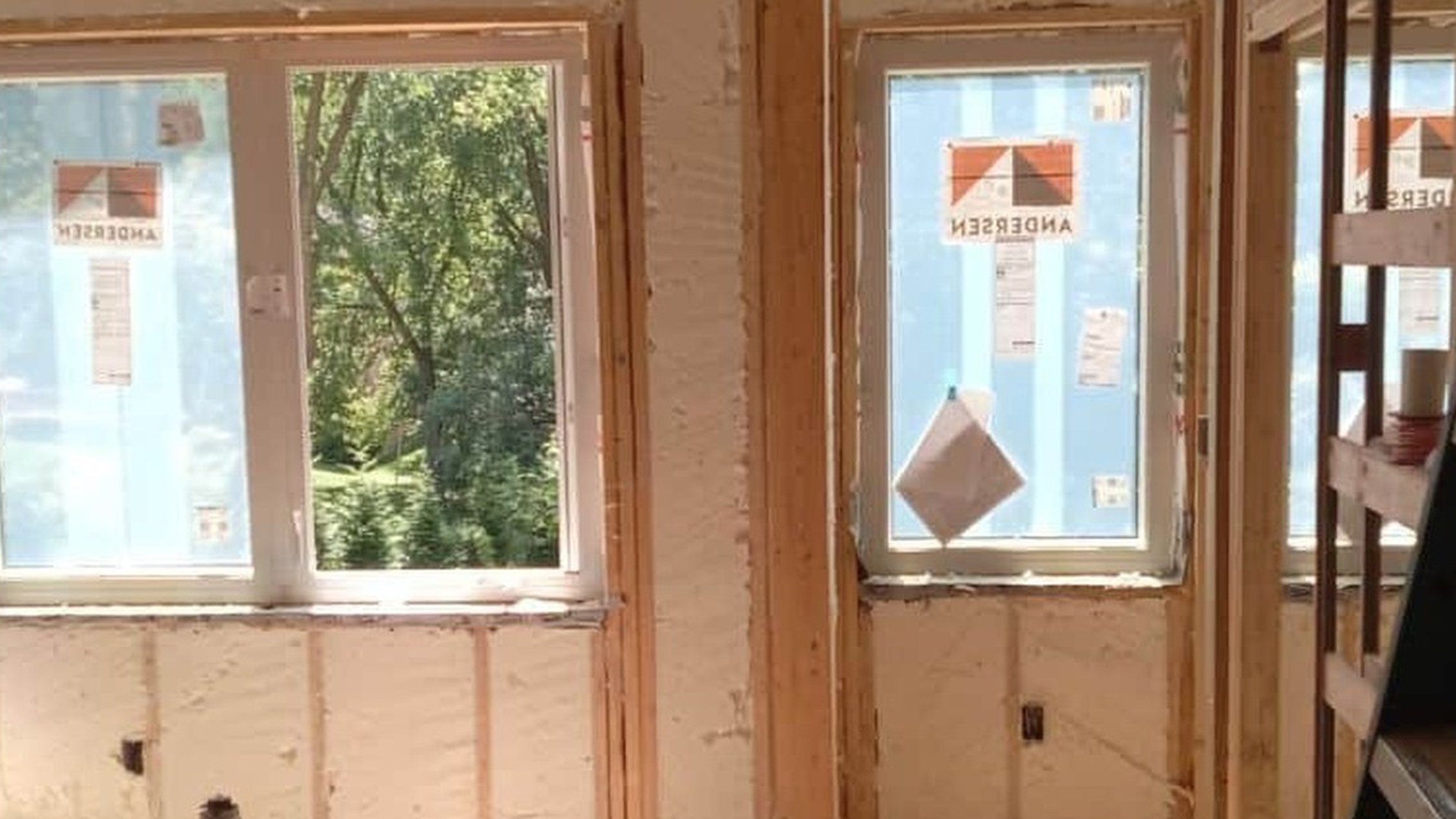
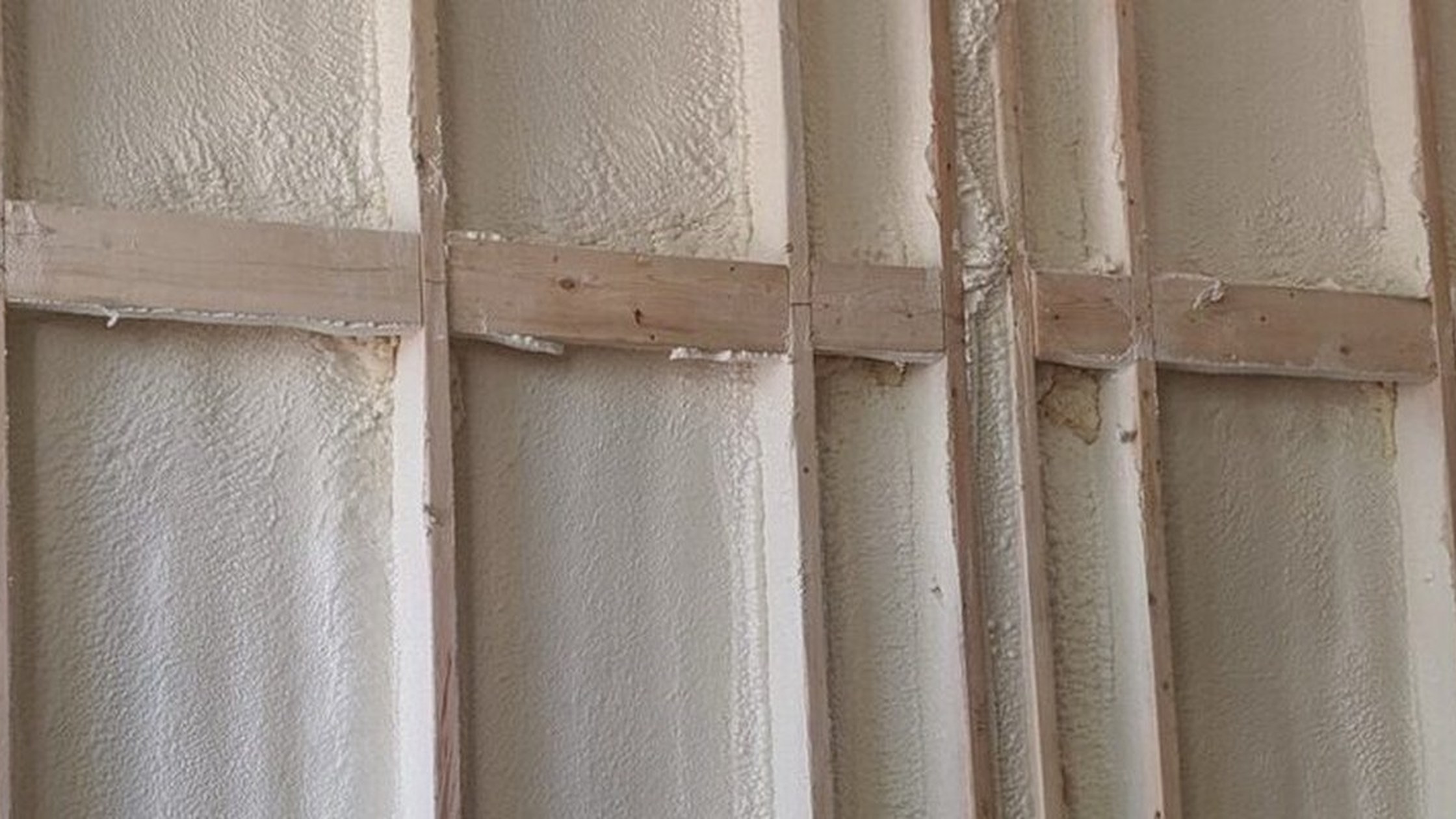
Spray foam insulation offers a practical option for many commercial construction projects because installers apply it directly to suitable surfaces. The foam expands and cures, filling gaps and creating a continuous insulating layer when installers apply it correctly.
1. Reduces Unwanted Air Leakage
Gaps around framing, joints, and penetrations let conditioned air escape. Spray foam seals many openings, reducing airflow. Consequently, HVAC equipment maintains temperatures with less heating or cooling.
2. Supports Thermal Performance
Spray foam slows heat transfer through walls. However, performance depends on foam type, thickness, and assembly design. Therefore, businesses should follow project specifications and energy requirements.
3. Works With Different Building Structures
Commercial buildings use wood or steel framing. Seal Tech Insulation offers spray foam solutions for both structures. Its team helps professionals select materials based on building requirements and design.
4. Helps Manage Moisture Movement
Some spray foam systems limit air movement that carries moisture into walls. However, moisture control depends on foam type, installation quality, and wall design. Therefore, teams should evaluate moisture requirements before selecting insulation.
5. Supports Long-Term Building Efficiency
Properly installed spray foam maintains indoor temperatures and reduces HVAC demand. Consequently, businesses may improve energy efficiency. Regular inspections help preserve insulation performance.
Ultimately, choosing suitable spray foam insulation helps commercial buildings improve comfort, manage energy use, and support long-term building performance.
Commercial Building Ceiling Insulation: Why It Matters
Commercial Building Ceiling Insulation reduces heat transfer through roofs, supports stable indoor temperatures, and helps businesses improve energy efficiency through effective insulation and air sealing.
- Roof construction: Identify the roof assembly and available installation space.
- Insulation requirements: Select suitable materials and thicknesses for the building’s needs.
- Moisture management: Evaluate condensation risks and appropriate vapor-control strategies.
- Mechanical systems: Coordinate insulation with ducts, lighting, wiring, and other equipment.
- Building regulations: Follow applicable energy, fire-safety, and construction requirements.
Additionally, consult an insulation professional before modifying an existing ceiling or roof assembly. The right solution depends on the building’s design, ventilation strategy, and local climate.
How Can Businesses Choose the Right Insulation Solution?
Every commercial property has different insulation requirements. For example, an office may prioritize indoor comfort and sound control, while a warehouse may need better temperature stability and moisture management. Therefore, businesses should evaluate their building’s purpose before selecting an insulation system.
Start by examining existing insulation, identifying drafts, and reviewing heating and cooling performance. Next, consider the wall construction, roof design, and any moisture-related concerns. These details help determine which areas need attention first.
Businesses should also compare material performance, installation requirements, and long-term maintenance needs. Although the initial cost matters, the overall value depends on energy performance, durability, and suitability for the building.
Seal Tech Insulation takes a whole-building approach to commercial new construction. The company considers insulation alongside HVAC systems, windows, lighting, and building layout. Moreover, it works with project professionals to recommend materials and insulation values based on project requirements.
Why Hire a Professional Insulation Contractor?
Professional installation helps businesses address insulation requirements without overlooking important construction details. An experienced contractor can assess the building assembly, identify potential air leakage paths, and recommend suitable insulation methods.
In addition, professional installers understand the importance of consistent application and proper surface preparation. These steps help reduce installation gaps and support the intended performance of the insulation system.
Before choosing a contractor, consider the following points:
- Review experience with commercial construction and relevant building types.
- Ask about insulation materials, expected performance, and installation procedures.
- Confirm compliance with applicable building and fire-safety requirements.
- Discuss project schedules and ways to minimize business interruptions.
- Request a detailed estimate covering materials, labor, and project scope.
Furthermore, ask about product warranties and maintenance recommendations. Clear communication helps business owners understand the proposed work before construction begins.
Seal Tech Insulation has served residential and commercial customers since 2000. Its commercial offerings include new construction, metal buildings, soundproofing, and exterior applications. Consequently, businesses can discuss their project requirements with a company experienced in spray foam insulation solutions.
Conclusion
Commercial Wall Insulation helps businesses improve indoor comfort, reduce unwanted heat transfer, and support more efficient building operations. Likewise, appropriate ceiling insulation strengthens the building envelope and helps manage seasonal temperature changes. For tailored commercial insulation solutions, Sealtechinsulation works with contractors, architects, and developers to support energy-efficient construction across Southeast Michigan and surrounding areas.
Additionally, businesses should evaluate insulation needs early in the construction or renovation process. By selecting suitable materials and ensuring proper installation, property owners can support consistent indoor temperatures, reduce unnecessary HVAC demand, and maintain long-term building performance.
FAQs
1. What is commercial wall insulation?
Commercial wall insulation reduces heat transfer through building walls. It helps maintain indoor temperatures, improve comfort, and potentially lower heating and cooling demand.
2. What is the benefit of commercial building ceiling insulation?
Commercial building ceiling insulation helps reduce heat gain during summer and heat loss during winter. As a result, it can support indoor comfort and HVAC efficiency.
3. Is spray foam suitable for commercial buildings?
Yes. Contractors can use suitable spray foam systems in many commercial applications. However, they must select the correct product and installation method for the building assembly and applicable codes.
4. Does Seal Tech Insulation provide commercial insulation services?
Yes. Seal Tech Insulation offers commercial new construction insulation and solutions for metal buildings, soundproofing, and exterior applications. Contact the company to discuss your project’s specific requirements.