
Video answer · Seal Tech Insulation
Can Insulation Make My Home Quieter?
Yes.
The short answer
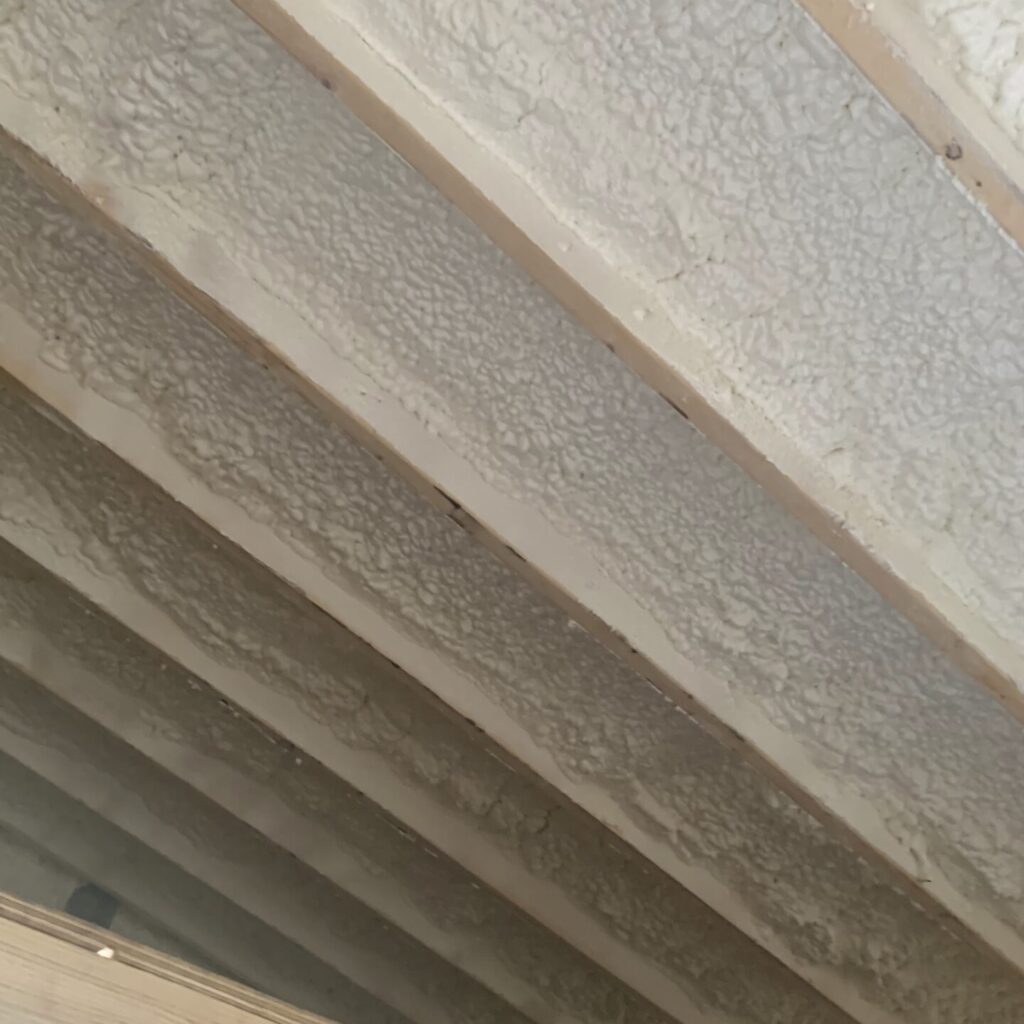
Yes. Noise travels through air, so sealing gaps and filling cavities stops a lot of it. Open-cell spray foam is especially good for everyday, higher-frequency household noise. Closed-cell foam does better with low rumbles from engines, trains, and buses.
What the crew says in the video
- Insulation is one of the best ways to quiet a house. Noise transfers through air, and capturing that air and stopping its movement stops the noise.
- All types of insulation have a sound-deadening property.
- Open-cell is good for high-frequency noise: TVs and the everyday bustle of the house.
- Closed-cell is better for lower-frequency noise like engines, trains, and buses.
Where noise gets in, and how to make your home quieter
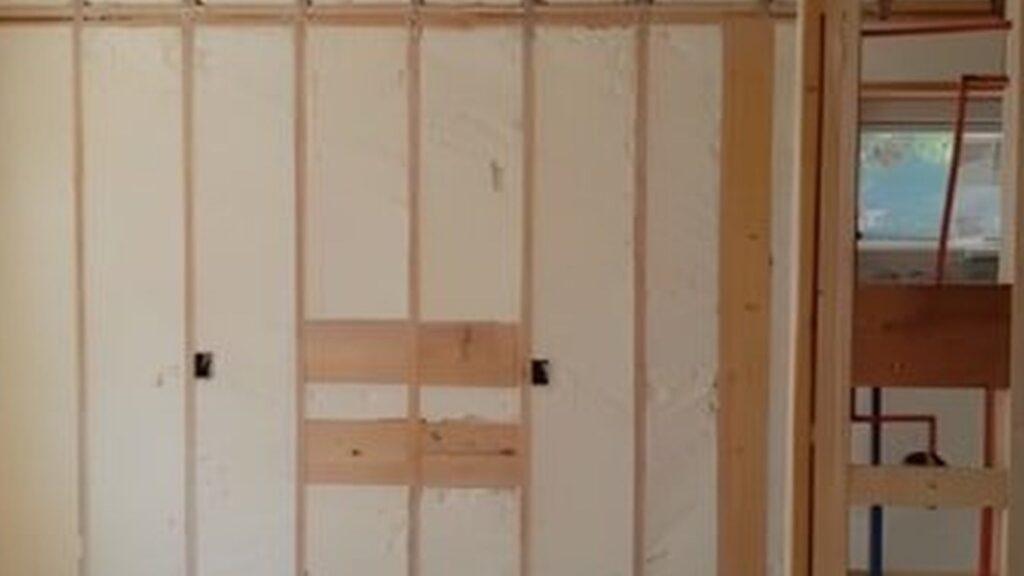
Sound sneaks through the same gaps air does: around windows and doors, outlets, recessed lights, and through empty wall and ceiling cavities. Filling and sealing those paths is often the most cost-effective way to make a home noticeably quieter.
Matching foam to the noise
| Noise | Typical source | Good fit |
|---|---|---|
| Higher frequency | Voices, TV, music, household activity | Open-cell spray foam |
| Lower frequency | Engines, trucks, trains, buses, aircraft | Closed-cell spray foam, plus mass and sealing |
Best places to add it
- Exterior walls facing a busy road or rail line
- Bedroom and home office walls
- Ceilings between floors
- Media rooms and bathrooms
Live near Detroit Metro Airport or a major road? See our soundproofing page.
Further reading: Where to Insulate in a Home (U.S. Department of Energy).
Want a quieter home?
We will recommend the right foam for the noise you are dealing with.