
Video answer · Seal Tech Insulation
When Is the Right Time for Spray Foam in New Construction?
After your HVAC, plumbing, and electrical rough-ins are done and inspected, and after the rough building inspection.
The short answer
After your HVAC, plumbing, and electrical rough-ins are done and inspected, and after the rough building inspection. Then the insulation goes in, the insulation inspection happens, and drywall follows.
What the crew says in the video
- First get your HVAC and electrical inspections done.
- Once you pass your rough building inspection, the crew installs the insulation.
- Then comes the insulation inspection, then drywall.
- All mechanicals have to be finished before insulation goes in.
The typical sequence for spray foam in new construction
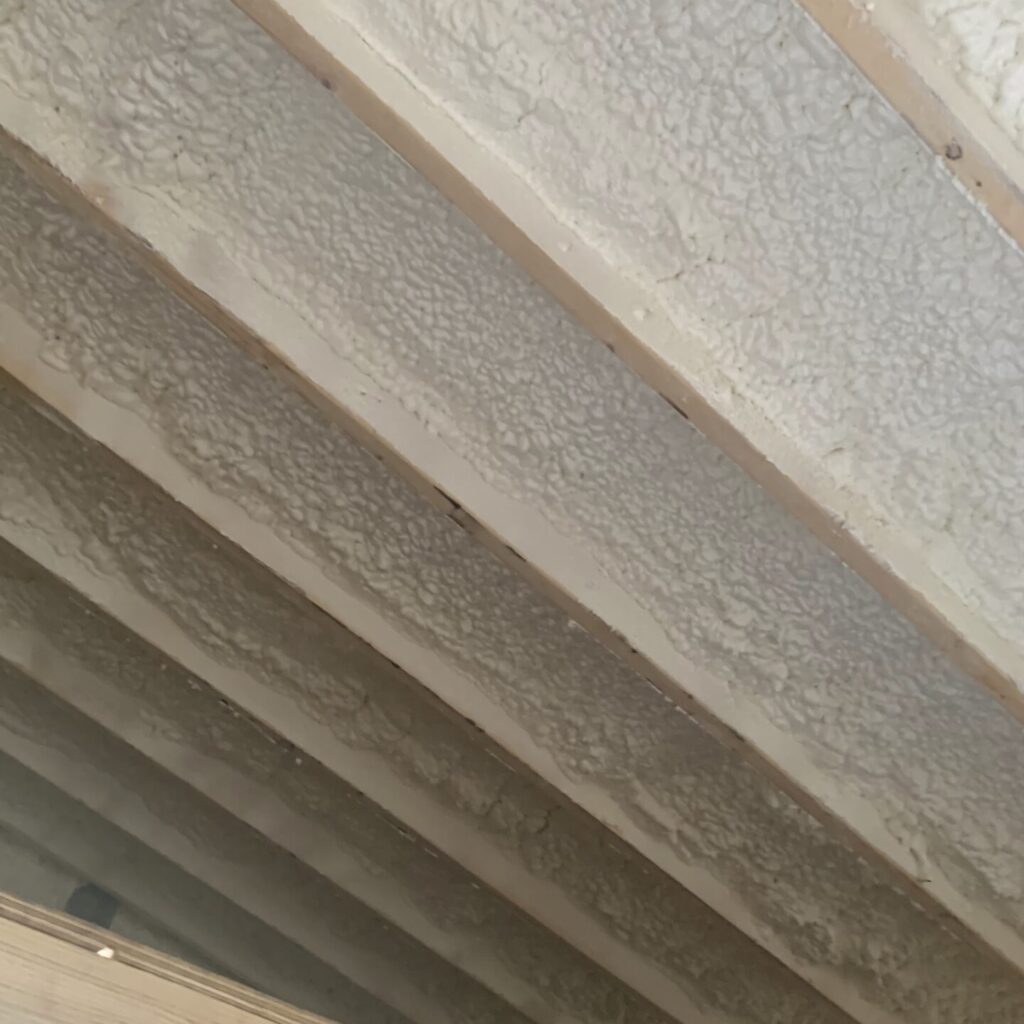
- Framing complete and the house dried in.
- Mechanical rough-ins: HVAC, plumbing, and electrical run and inspected.
- Rough building inspection passed.
- Insulation installed: spray foam in walls, rim joists, and rooflines as specified.
- Insulation inspection by your local building department.
- Drywall.
Why the order matters for spray foam in new construction
Spray foam bonds to everything it touches. If a wire, pipe, or duct still needs to go in, it is much harder to add after the foam is installed. Getting all mechanicals done first means the foam can seal around every penetration in one pass, which is what makes it such an effective air barrier.
Plan ahead
Book your insulation contractor early so they are ready when inspections pass. Seal Tech works with homeowners and builders across Southeast Michigan and coordinates with your schedule so drywall is not held up.
Bottom line: schedule spray foam in new construction after the rough inspections pass and before drywall, and book your installer early so the crew is ready when the mechanicals are done.
Further reading: Where to Insulate in a Home (U.S. Department of Energy).
Building in Southeast Michigan?
Get your new build on our schedule before drywall.