
Rooms feel different from one another
Upper rooms, rooms below the attic, and areas near exterior walls may be harder to heat or cool consistently.
Serving Southeast Michigan since 2000
Seal Tech evaluates existing insulation, air leakage, access, ventilation details, and the intended building assembly before recommending a blown-in or spray-foam attic approach. We work with existing homes, remodels, new construction, and applicable commercial projects across Southeast Michigan.
Regional attic insulation service
Attic insulation is more than adding material. The right solution depends on the current thermal boundary, existing coverage, air movement, access, roof design, and the goals for the space. A property-specific evaluation helps determine a practical path before a work scope is finalized.
For homes with major air-leakage or whole-home insulation needs, savings on heating and cooling costs can reach up to 50% in optimal conditions. Actual results vary with existing insulation, air leakage, HVAC performance, window and door performance, material selection, and project scope.
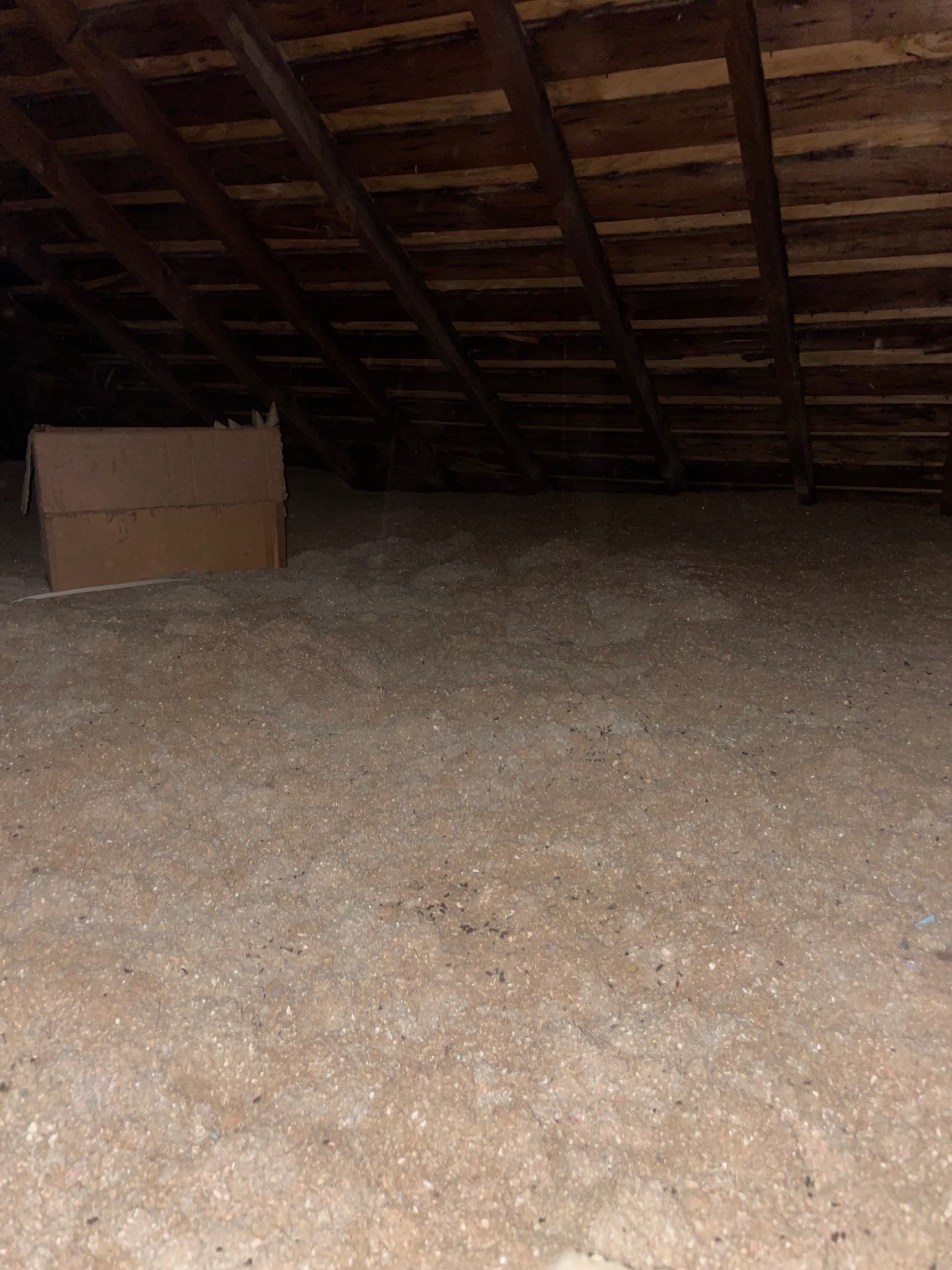
Common reasons to evaluate an attic
These conditions do not diagnose a problem by themselves, but they are practical reasons to assess the attic and the broader building envelope.
Upper rooms, rooms below the attic, and areas near exterior walls may be harder to heat or cool consistently.
Low spots, gaps, settling, or incomplete coverage can be reviewed alongside access and assembly details.
Coordinating attic work with related building work can make the project easier to plan.
Attic insulation approaches
The material and installation location should follow the needs of the particular attic or roof assembly. Both approaches can be useful when matched to the conditions found.
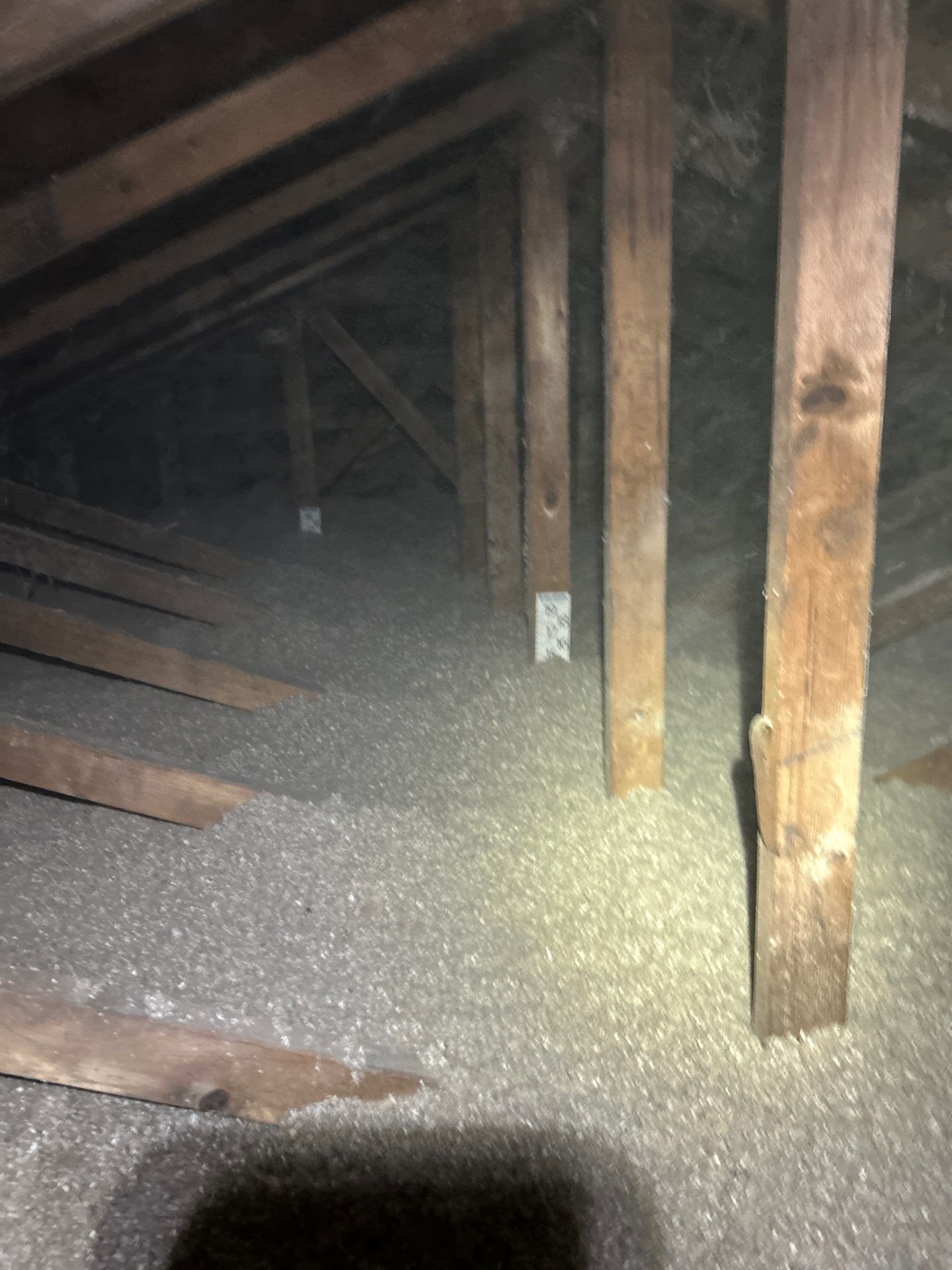
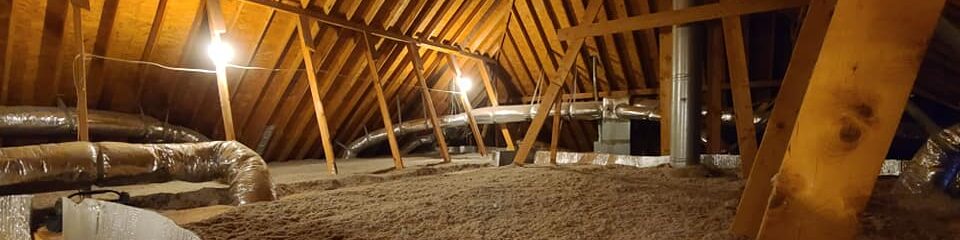
Blown-in material can be a practical attic-floor option for many existing homes when coverage, access, ventilation, and the intended thermal boundary support that approach.
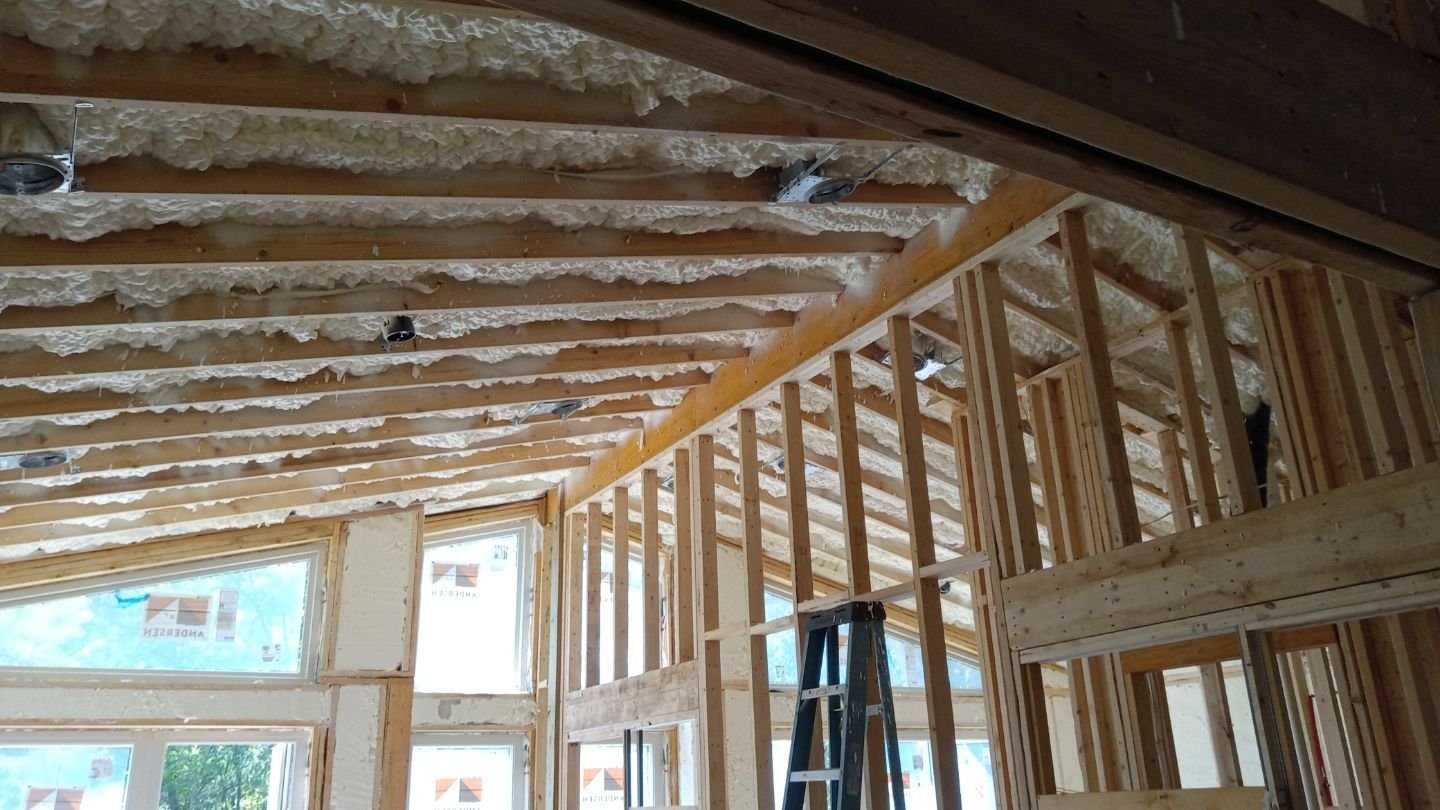
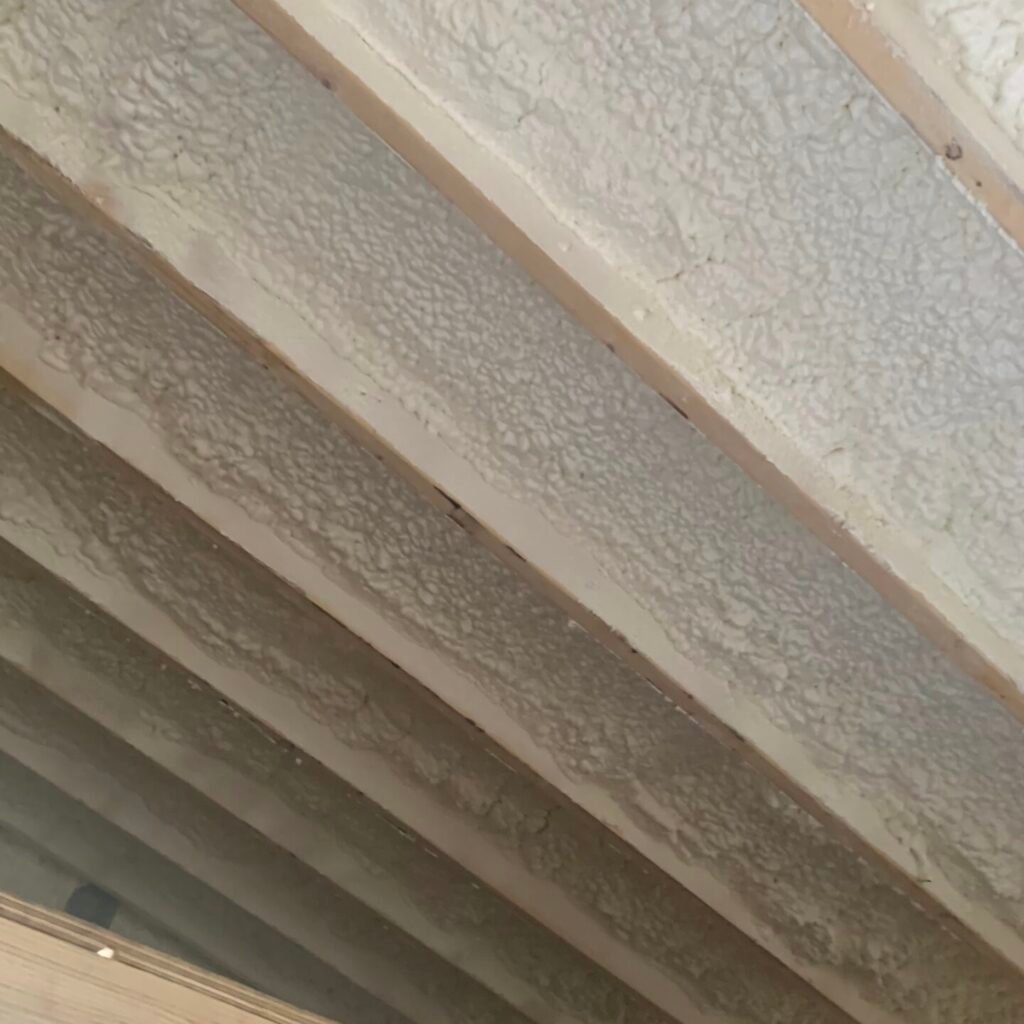
Selected spray-foam systems can provide air control and moisture control as part of an appropriate attic or roof assembly. The recommended product and location depend on the roof design, existing conditions, and project goals.
Performance, comfort, and durability
Proper insulation decisions work alongside air sealing, moisture management, ventilation design, and the rest of the building envelope. The goal is a practical assembly that fits the property.
Reducing heat flow and selected air leaks can help address rooms that feel harder to heat or cool.
Results vary, but an evaluation can identify insulation and air-sealing opportunities that may reduce heating and cooling demand.
The appropriate approach depends on whether the property uses a vented attic or a properly designed unvented roof assembly.
ENERGY STAR insulation guidance is a useful starting point for climate-zone and existing-insulation planning.
PNNL’s attic guidance explains why insulation, air sealing, and roof ventilation must be considered together.
The attic insulation process
Every attic project follows the same five steps. Many standard residential attic projects can be completed in a single day, depending on access and scope.
Located in Ann Arbor? See the attic insulation process, pricing and rebates for Ann Arbor, MI.
Southeast Michigan service area
This is Seal Tech’s regional attic-insulation page. For city-specific service information, use the local pages below rather than relying on a generic “near me” claim. For the full process and pricing, see our attic insulation service in Ann Arbor, MI.
Common questions
These answers address general planning questions. A final recommendation depends on the property, existing conditions, material selection, and project scope.
In optimal whole-home conditions, insulation and air-sealing improvements can produce savings of up to 50%. Actual savings vary with the home’s existing insulation, air leakage, HVAC performance, windows and doors, material selection, and the scope of the project.
The appropriate target depends on the existing insulation, attic configuration, material, intended insulation location, and the rest of the building assembly. Climate-zone guidance is useful as a starting point, but depth and R-value are not the same thing and should be reviewed for the specific project.
The best option depends on whether the insulation belongs on the attic floor or roofline, the access available, existing ventilation and moisture conditions, the project budget, and the performance goals for the property. We evaluate those conditions before recommending a material or scope.
No. A properly designed unvented roof assembly can use roofline spray foam without traditional attic ventilation, but that approach is not appropriate for every building. A vented attic and an unvented roof assembly require different design considerations.
Not every attic requires removal. The decision depends on the condition of existing material, coverage, contamination concerns, access, the intended insulation approach, and the overall project scope. We review those factors before making a recommendation.
Many standard residential attic projects can be completed in a single day. Timing varies with access, preparation work, material selection, removal needs, and the size and complexity of the project.
Watch & learn
Request a free attic evaluation
Tell us what you are noticing, the type of space, and your project timing. We will review the next practical step and explain the scope that fits your property.
Lifetime Warranty terms are explained with your proposal. Rating and review count are current as of August 16, 2026 and may change over time.