
Video answer · Seal Tech Insulation
Why Does Air Sealing Matter as Much as Insulation?
Insulation slows heat moving through your walls and attic, but it does not stop air from leaking through gaps.
The short answer
Insulation slows heat moving through your walls and attic, but it does not stop air from leaking through gaps. Air sealing does. When both are done together, you can control temperature and humidity instead of fighting them all year.
What the crew says in the video
- Insulation and air sealing “go together like peas in a pod.”
- When a space is both insulated and air sealed, the crew can control it to the temperature and humidity level the homeowner wants.
- They call the combination “the best way to do it” for year-round comfort.
Insulation and air sealing do two different jobs
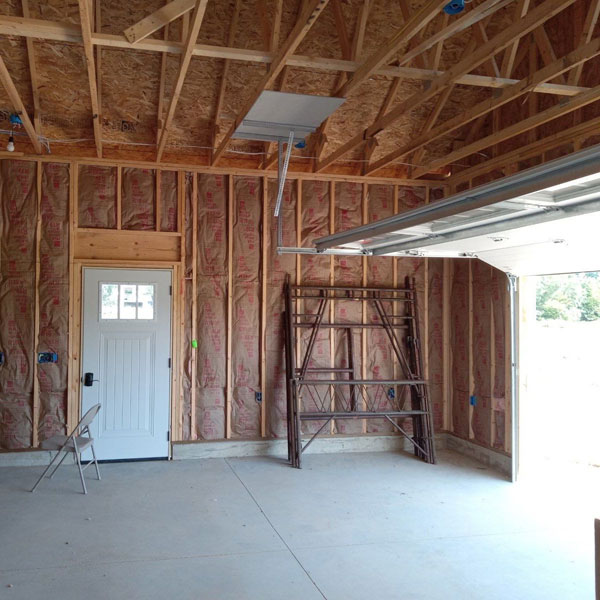
Traditional insulation such as fiberglass batts and blown-in cellulose is rated by R-value: how well it resists heat moving through it. What it does not do well is stop air. Air moves through gaps around top plates, rim joists, recessed lights, plumbing and wiring holes, and attic hatches, and it carries heat and moisture with it.
That is why a home can have “enough” insulation on paper and still feel drafty, dry in winter, or sticky in summer. The air leaks are bypassing the insulation entirely.
Why it matters for humidity
Every bit of outside air that leaks in brings its own moisture level with it: dry, cold air in a Michigan winter and humid air in July. A leaky house is constantly taking on air it did not ask for, so the humidity inside swings with the weather. Once the envelope is sealed, your HVAC system controls the air you breathe instead of chasing it.
How spray foam handles both at once
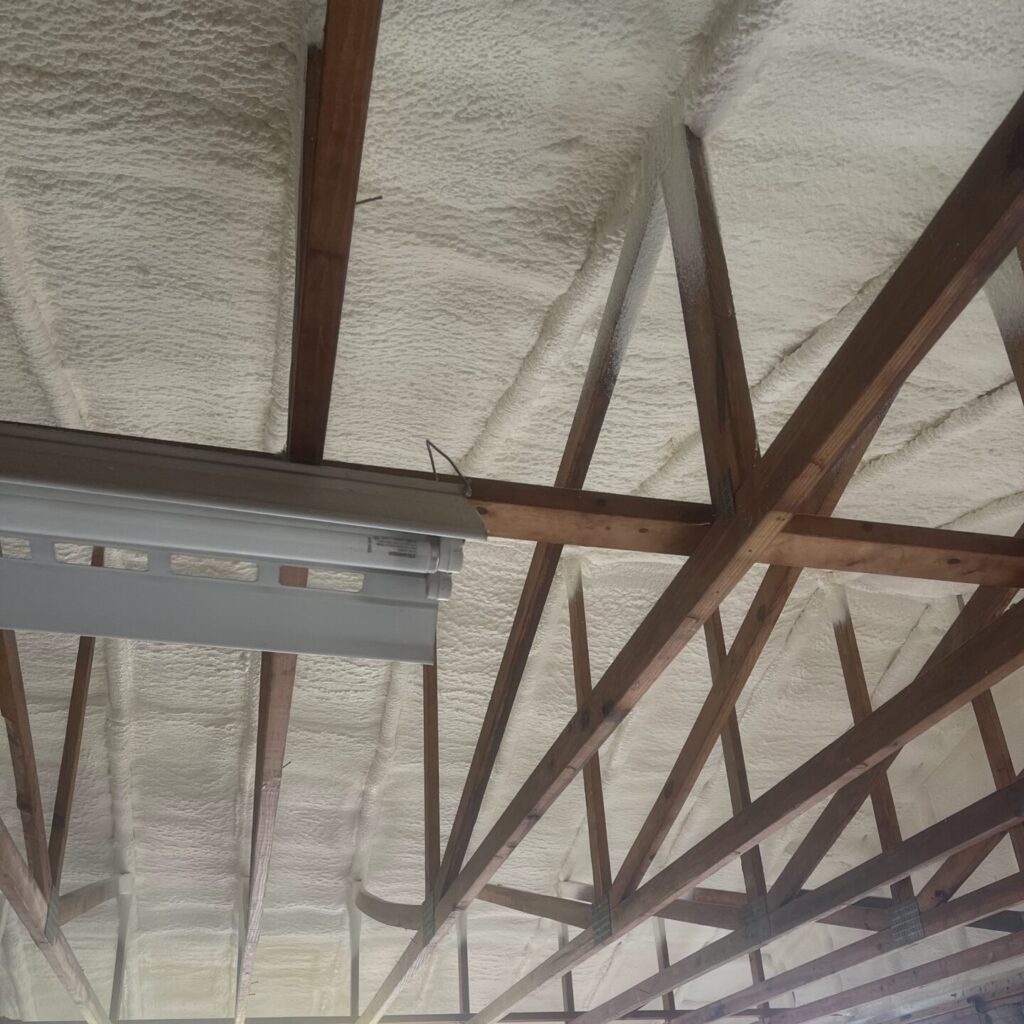
Spray foam expands into cracks and bonds to the framing, so it insulates and air seals in one step. Closed-cell foam also adds a vapor retarder at the right thickness. In areas where a different insulation makes more sense, such as a large open attic floor, Seal Tech seals the leaks first and then installs insulation to the proper depth.
- Attics: seal bypasses at lights, fans, chases and the hatch, then insulate.
- Rim joists: one of the leakiest spots in most basements, ideal for closed-cell foam.
- Walls and rooflines: spray foam fills the cavity and stops air movement.

Further reading: Energy Saver: Air Sealing (PDF) (U.S. Department of Energy).
Want a house that holds its temperature?
We will find where air is leaking in before recommending a fix.