
One of the most common questions we hear from owners of older Michigan homes is some version of: “My walls are freezing, but I do not want to tear out the drywall — is there any other way to insulate them?” There is. Injection foam wall insulation lets you insulate finished, closed walls without a gut renovation, filling the hollow cavities that make so many older homes drafty and expensive to heat.
What is injection foam wall insulation?
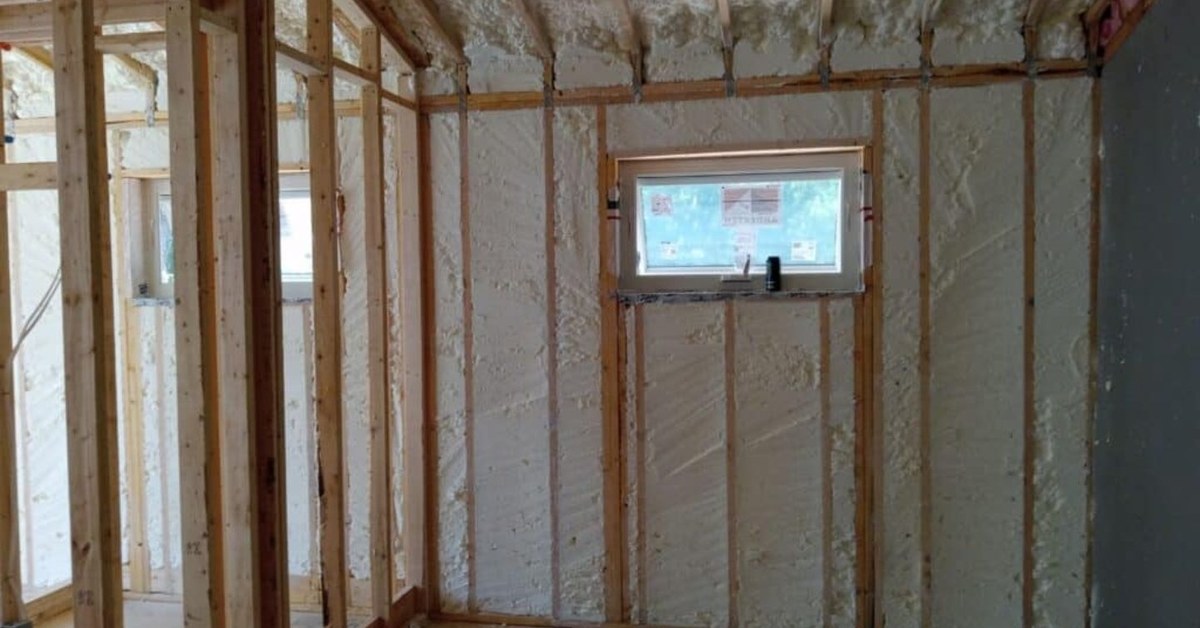
Injection foam is a slow-rising foam engineered specifically for existing, enclosed wall cavities. Instead of spraying it into open framing the way you would during new construction, an installer drills a series of small access holes, injects the foam into each wall cavity, and lets it flow and expand to fill the space completely before patching the holes. The wall stays intact — only small, easily repaired holes are needed.
This makes injection foam insulation the ideal retrofit for homes built before wall insulation was standard, or for any finished wall that was never insulated properly. It is a favorite for the brick, plaster, and balloon-framed homes common across older Southeast Michigan neighborhoods.
How the process works
The beauty of injection foam is how little disruption it causes. A typical job follows four steps.
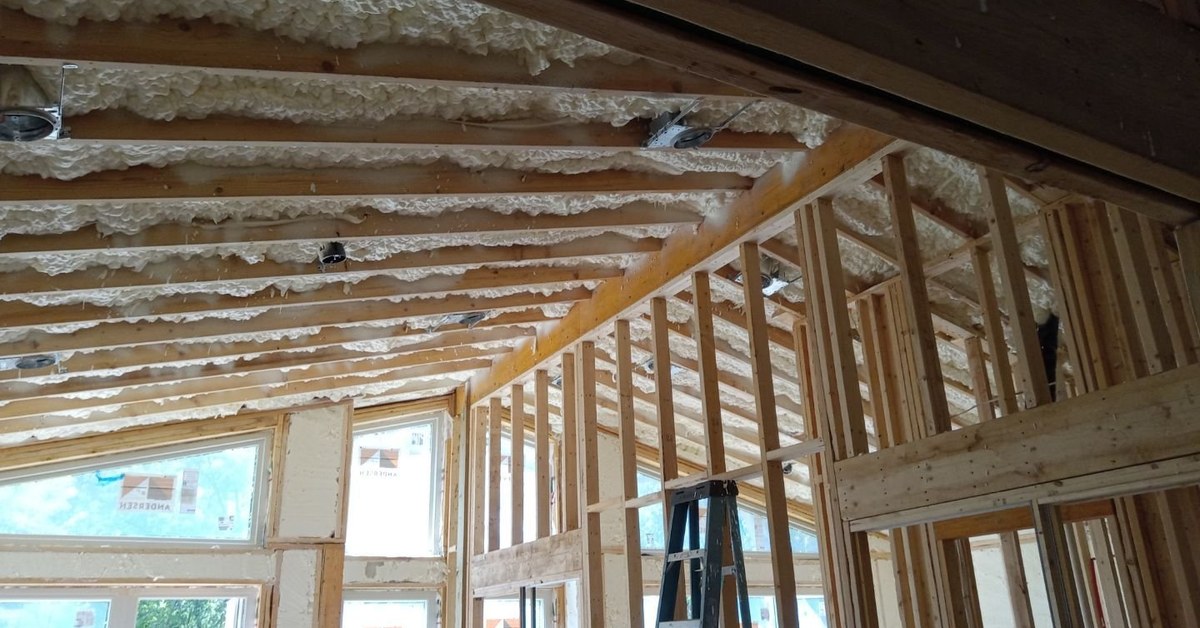
Working from either the exterior siding or the interior wall, the installer drills a row of small holes into each stud cavity. The foam is injected under low pressure so it flows slowly, working its way around wiring, pipes, and blocking to fill every void — including the irregular gaps that fiberglass batts always miss. As it cures it forms a continuous, air-sealing layer inside the wall. Finally the holes are plugged and patched, and on a siding job they often disappear entirely behind the panels. Most homes are completed in a single day.
Why choose injection foam for existing walls
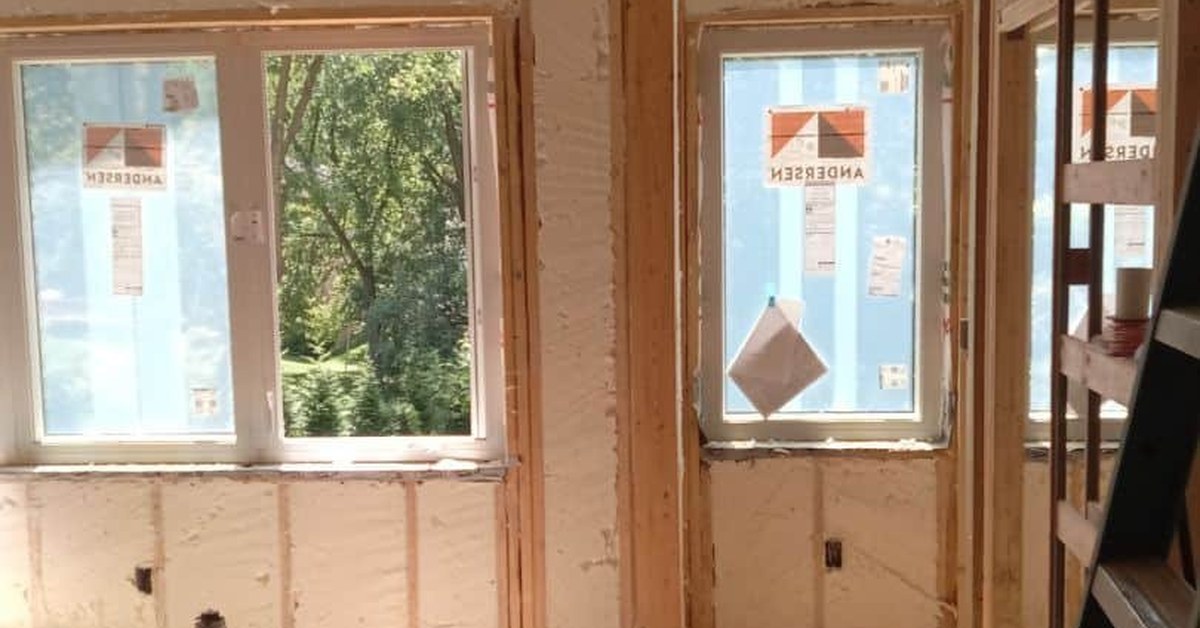
Compared with the alternatives, injection foam offers a rare combination of performance and convenience for a finished home:
- No demolition. You keep your drywall, trim, and paint. There is no gut-and-rebuild, and no weeks of mess.
- Complete cavity fill. The foam expands to fill the entire cavity, sealing the air leaks and cold spots that hollow walls create.
- Real, lasting R-value. It adds meaningful insulation value to walls that previously had none, making rooms noticeably warmer and quieter.
- Draft and noise reduction. By sealing the wall cavity, it cuts both outside air infiltration and outside noise.
- Fast, clean installation. Most homes are finished in a day with only minor patching to follow.
Injection foam vs. spray foam and blown-in
These methods are cousins, not competitors. Open-cell and closed-cell spray foam are applied to open framing — new construction or walls that are already opened up. Blown-in loose fill is ideal for attics. Injection foam fills the specific niche neither one covers well: insulating a closed, finished wall in place. If your walls are already open for a remodel, spray foam is the natural choice; if they are finished and you want to leave them that way, injection foam is the answer. Our existing wall insulation service is built around exactly this situation.
Which homes benefit most from injection foam
Injection foam is purpose-built for homes with finished walls that were never properly insulated. That describes a huge share of older Southeast Michigan housing stock — the brick colonials, plaster-walled bungalows, and balloon-framed homes built before wall insulation was routine. If your home was built before the 1980s and the walls feel cold to the touch in winter, there is a strong chance the cavities are empty or only partly filled. Homeowners who have already updated their attic and basement but still feel drafts and cold walls are especially good candidates, because the walls are often the last uninsulated part of the envelope.
What to expect on installation day
One of the biggest advantages of injection foam is how ordinary the day feels. There is no furniture to move out, no drywall dust filling the house, and no multi-week timeline. A crew arrives, sets up on either the exterior or interior depending on the home, and works methodically around the perimeter drilling and filling each cavity. Because the foam rises slowly, the installers can confirm each cavity is fully packed before moving on. By the end of the day the holes are patched and the crew is gone, and you are left with warmer walls and a quieter house rather than a construction zone.
Injection foam and home value
Better wall insulation is more than a comfort upgrade — it is an improvement buyers increasingly look for. Lower energy bills, a more consistent indoor temperature, and reduced outside noise are all selling points, and energy efficiency has become a genuine differentiator in the resale market. Because injection foam achieves these gains without altering the appearance of the home, it upgrades performance while leaving the character of an older house completely intact, which is exactly what many owners of vintage Michigan homes want.
Is injection foam worth it for an older home?
For a finished home with empty wall cavities, injection foam is one of the highest-value upgrades available precisely because it avoids the cost of demolition. Opening up walls to add batt insulation means removing drywall or siding, insulating, and then rebuilding and refinishing the surface — a project that can cost several times more than the insulation itself. Injection foam skips all of that. You pay for the material and the drill-and-fill labor, and nothing else, which is why so many owners of older Michigan homes find it delivers the comfort of a full renovation for a fraction of the price and disruption.
Caring for your walls after insulation
Injection foam is essentially maintenance-free once cured. It does not settle or sag inside the cavity, it will not attract pests, and it holds its insulating value for the life of the wall. There are no filters to change and nothing to service. The only follow-up is cosmetic: on interior or masonry installations, the patched access holes can be sanded and painted to blend in, and on siding jobs the plugs are typically hidden behind the panels from the start. After that, the wall simply performs — warmer, quieter, and more efficient than it was before.
Frequently asked questions
Will the drilled holes be visible afterward?
On siding, the holes are hidden behind the panels and are essentially invisible when finished. On interior or masonry walls they are patched, and any remaining mark can be touched up with paint or matched to the surface.
How much does injection foam wall insulation cost?
Cost depends on the number of wall cavities and the size of the home, but because there is no demolition or rebuild, it is far cheaper than opening walls to insulate them. A free assessment gives you an exact figure.
Does injection foam work in brick or masonry homes?
Yes. Injection foam is frequently used in brick and older masonry-framed homes, where opening the walls would be especially costly and disruptive.
Warm up your walls without the demolition
If your finished walls are cold, drafty, or simply uninsulated, injection foam wall insulation is the low-disruption way to fix them. Seal Tech Insulation offers free estimates across Southeast Michigan. Call (866) 775-3626 or request your free estimate and we will assess your walls and show you what is possible.
Further reading: Adding Insulation to an Existing Home (U.S. Department of Energy).
Ready for a more comfortable home?
Get a free, no-pressure estimate from the Seal Tech crew. Spray foam, attic, wall and crawl space insulation across Southeast Michigan, backed by a lifetime warranty.