
A pole barn is only as usable as it is comfortable. Left uninsulated, a Michigan pole barn bakes in summer, freezes in winter, and drips with condensation whenever the temperature swings — which ruins tools, rusts equipment, and makes the building miserable to work in. The right pole barn insulation turns that shell into a space you can actually use year-round, whether it is a workshop, a garage, a hobby space, or storage you want to keep dry.
This guide walks through your insulation options, what they cost, and how to choose the right approach for a Michigan pole barn.
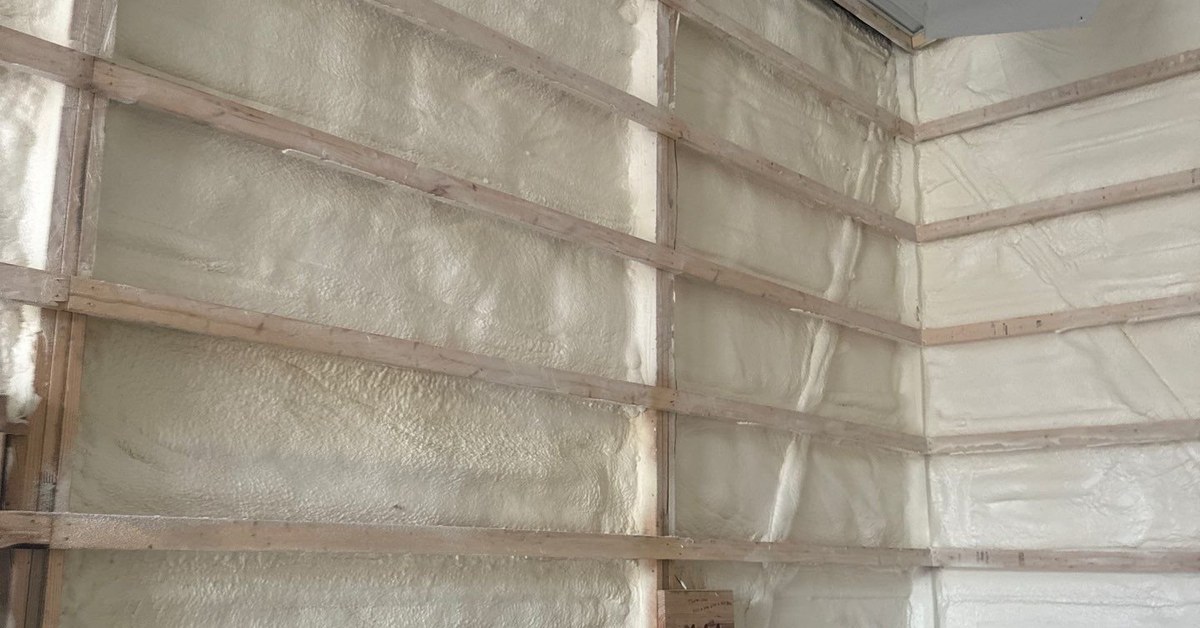
Why pole barns need insulation in Michigan
Metal-skinned buildings have two enemies: temperature and moisture. Steel conducts heat quickly, so an uninsulated pole barn follows the outdoor temperature almost exactly. Worse, when warm, moist air inside meets the cold underside of a metal roof or wall, it condenses — and that “raining” from the ceiling drips onto everything below. Insulation solves both problems by slowing heat transfer and keeping interior surfaces above the dew point so condensation never forms.
In Michigan’s climate, condensation control is often the number-one reason to insulate. Even an unheated barn benefits, because stopping the drip protects stored equipment, lumber, and vehicles from rust and mildew.
Pole barn insulation options compared
There is no single “best” material for every barn — it depends on whether you plan to heat the space, your budget, and how much condensation control you need. Here is how the common options stack up.
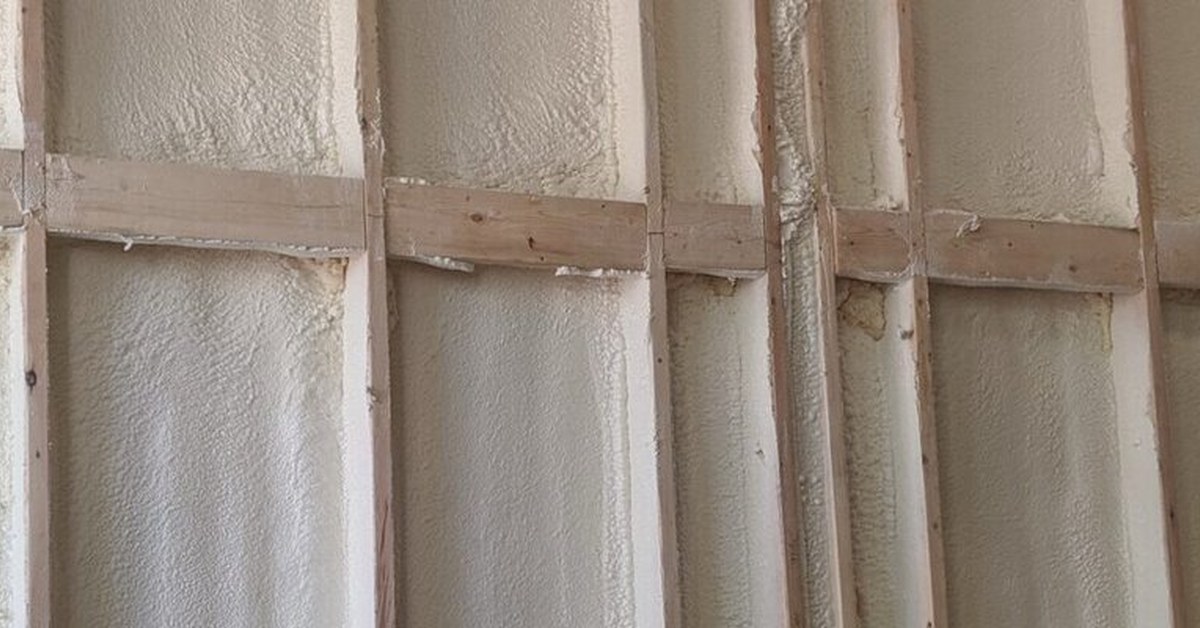
Closed-cell spray foam
Spray foam is the top performer for pole barns. It delivers about R-6 to R-7 per inch, seals every gap and fastener penetration, adds rigidity to the metal panels, and — critically — forms a moisture barrier right against the steel so condensation cannot form. For a heated shop or garage, or any barn with a chronic condensation problem, pole barn spray foam insulation is usually the best long-term investment.
Fiberglass batts
Batts are the budget choice at roughly R-3 per inch. They work in framed pole-barn walls but must be paired with a well-sealed vapor barrier, because fiberglass does nothing to stop air or moisture on its own. In a metal building without careful detailing, batts can trap moisture and sag over time.
Rigid foam board and reflective barriers
Rigid foam board (around R-4 to R-5 per inch) is a solid middle option for walls and can be combined with other materials. Reflective bubble wrap is inexpensive and helps with radiant summer heat, but it has very little R-value and does not stop conductive winter heat loss on its own — it is best used as a supplement, not a primary insulator.
What proper insulation delivers
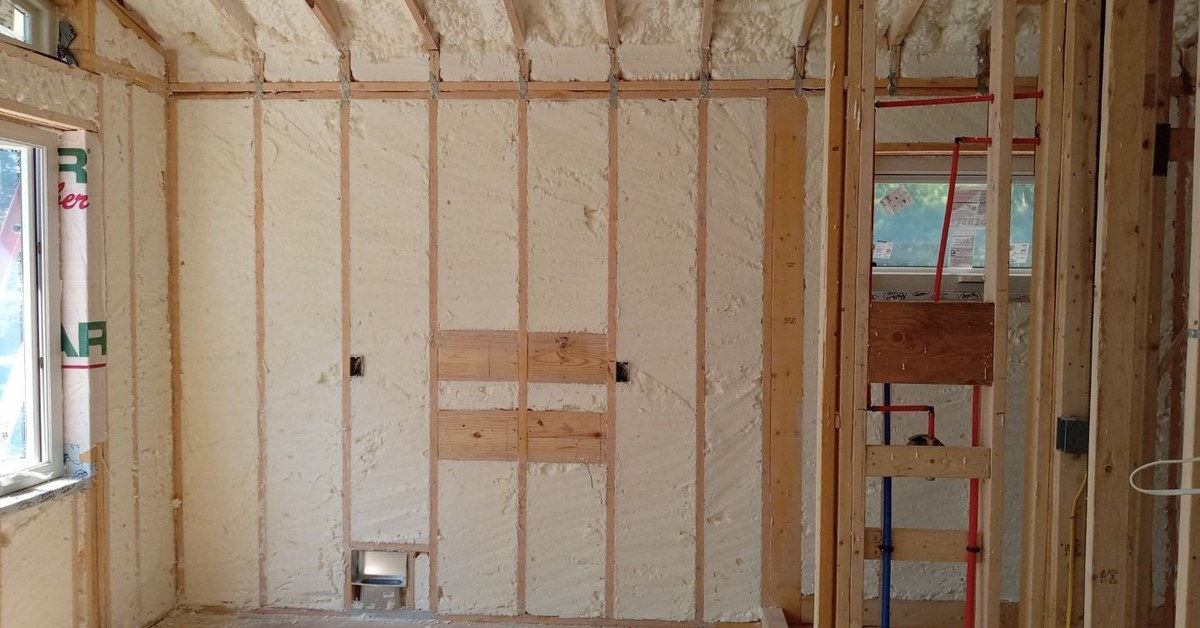
How much does pole barn insulation cost?
Cost depends on the size of the building, the material, and whether you are insulating the walls only or the roof as well. As a rough guide, spray foam is the most expensive per square foot but delivers the most complete result, while fiberglass and reflective options are cheaper up front. Because pole barns vary so much in size and use, the only reliable number comes from an on-site quote. When comparing bids, factor in condensation control — a cheaper material that lets the roof drip can cost you far more in ruined equipment.
Choosing the right approach
If you plan to heat the barn, prioritize air-sealing performance and go with spray foam or a foam-and-batt hybrid. If the building is unheated and you mainly need to stop condensation and summer heat, a spray foam roof coat or a well-detailed reflective-plus-batt system may be enough. For finished shops and garages, spray foam’s combination of R-value, air sealing, and moisture control is hard to beat. Our detailed metal building and pole barn spray foam page covers the spray foam approach in depth, and our exterior applications service explains how we handle outbuildings.
What proper pole barn insulation delivers
Beyond simple comfort, insulating a pole barn protects your investment. A conditioned, sealed building holds a steady temperature, so a heated shop stays workable through January and a garage does not become an oven in July. Just as important, controlling condensation keeps tools, machinery, vehicles, and stored materials free of the rust and mildew that plague damp metal buildings. Insulation also dampens sound, adds rigidity to the metal panels, and can make the structure more durable over its lifetime. For many owners, the protection of what is stored inside justifies the project on its own.
Insulating a new vs. existing pole barn
Timing changes the ideal approach. If you are building a new pole barn, you have the chance to design the insulation into the structure from the start — specifying a vapor barrier, planning for spray foam on the roof deck and walls, and sizing any heating system around a sealed, efficient envelope. If you are retrofitting an existing barn, spray foam is often the most practical option because it can be applied directly to the inside of the metal panels and framing without tearing anything out. Either way, the goal is the same: a continuous layer that slows heat transfer and keeps interior surfaces above the dew point.
Common pole barn insulation mistakes
The most frequent mistake we see is choosing a material purely on upfront price without accounting for moisture. Reflective bubble wrap or thin batts may look like a bargain, but if the metal roof still drips condensation onto your equipment, the “savings” evaporate the first time a tool rusts or lumber warps. Another common error is insulating the walls but ignoring the roof, where most condensation forms. And in framed-wall barns, installing fiberglass without a properly detailed vapor barrier can trap moisture inside the assembly. A professional assessment helps you avoid these pitfalls and match the system to how you actually use the building.
Heated vs. unheated pole barns
Whether you plan to heat the space is the single biggest factor in your insulation decision. A heated shop or garage needs a strong air seal and high R-value to keep operating costs down, which points toward closed-cell spray foam or a foam-and-batt hybrid. An unheated barn used for storage may only need enough insulation and moisture control to stop condensation and moderate summer heat, in which case a spray foam roof coat or a carefully detailed reflective-and-batt system can be sufficient. Being clear about your intended use lets us right-size the system and avoid paying for performance you do not need.
Frequently asked questions
Can you insulate an existing pole barn?
Yes. Spray foam in particular is well suited to retrofitting an existing barn, because it can be sprayed directly onto the inside of the metal panels and framing without tearing anything out.
Will insulation stop my metal roof from “raining”?
Closed-cell spray foam applied to the underside of the roof stops condensation by keeping the metal surface warm and sealing out humid air. This is the most reliable fix for a dripping pole barn roof.
Do I need a vapor barrier?
With fiberglass or batt systems, yes — a proper vapor barrier is essential in a metal building. Closed-cell spray foam acts as its own vapor barrier, which is one reason it performs so well here.
Get a pole barn insulation quote
Every pole barn is different, so the best next step is a free assessment. Seal Tech Insulation insulates pole barns, shops, and outbuildings across Southeast Michigan. Call (866) 775-3626 or request your free estimate and we will recommend the right pole barn insulation for how you actually use the space.
Further reading: Where to Insulate in a Home (U.S. Department of Energy).
Ready for a more comfortable home?
Get a free, no-pressure estimate from the Seal Tech crew. Spray foam, attic, wall and crawl space insulation across Southeast Michigan, backed by a lifetime warranty.