
Adding insulation to your attic is one of the most cost-effective ways to lower energy bills in a Michigan home, and blown-in insulation is the most popular way to do it. It is fast, it fills awkward spaces evenly, and it works especially well for topping up an attic that is under-insulated. If you are weighing the project, the first thing you want to know is the blown-in attic insulation cost — and how that price compares to the alternatives.
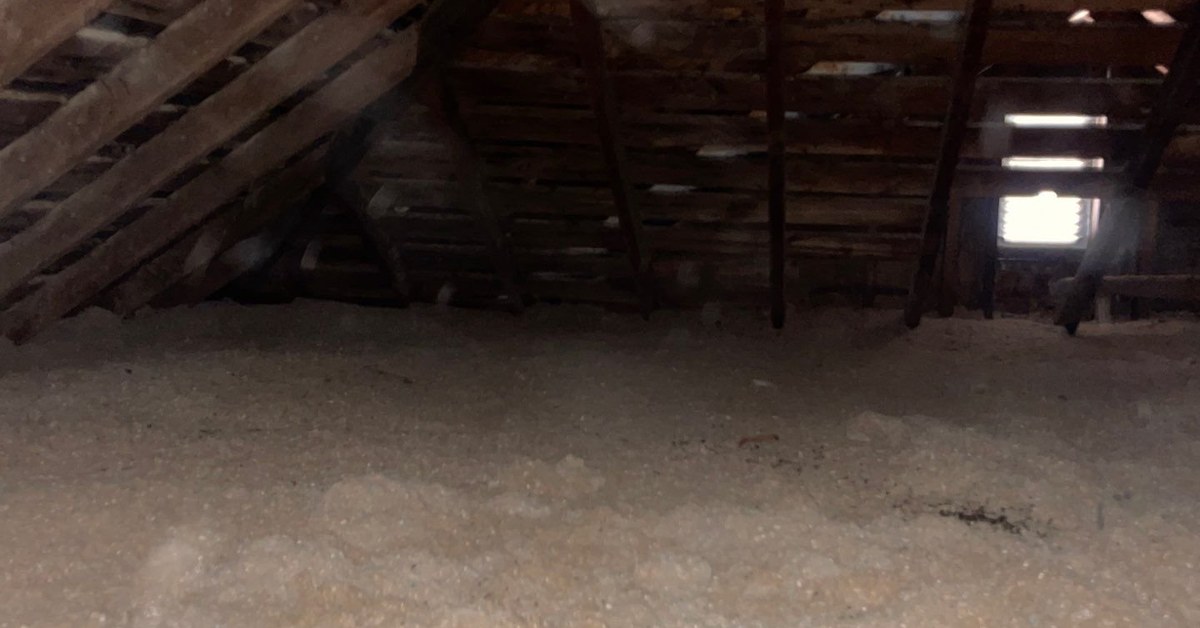
What is blown-in attic insulation?
Blown-in insulation — also called loose-fill — is exactly what it sounds like: loose insulation material blown into the attic through a hose until it forms an even blanket across the floor. The two common materials are cellulose (recycled paper treated for fire and pests) and fiberglass. Both settle into gaps around joists, wiring, and fixtures far more evenly than batts can, which is why blown-in attic insulation is the go-to method for most attic floors.
How much does blown-in attic insulation cost?
For a typical Michigan attic, blown-in insulation costs roughly $1,500 to $3,500, or about $1.50 to $3.50 per square foot installed. Where you land in that range depends on a handful of factors.
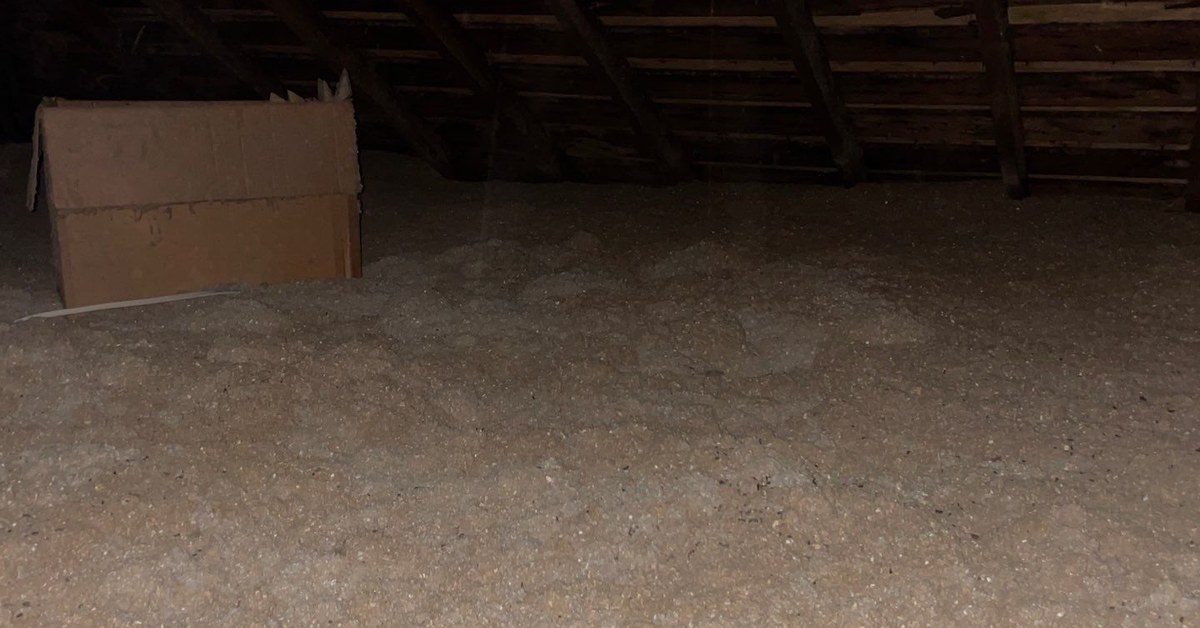
- Attic size. The bigger the attic floor, the more material and labor required.
- Target R-value. Michigan attics should reach about R-49, which means roughly 14 to 18 inches of loose-fill depth. Deeper coverage costs more but performs better.
- Material. Cellulose and fiberglass are similarly priced; cellulose is denser and slightly better at blocking air, while fiberglass is lighter and resists moisture.
- Existing insulation. Topping up over old insulation is cheaper than removing contaminated or moldy material first.
- Air sealing and prep. Sealing attic bypasses and adding baffles before blowing keeps the insulation working as intended and can add to the quote.
Blown-in vs. spray foam: how they compare
Homeowners often ask whether they should spend more on spray foam instead. The honest answer is that they solve slightly different problems, and the right choice depends on your attic and your goals.
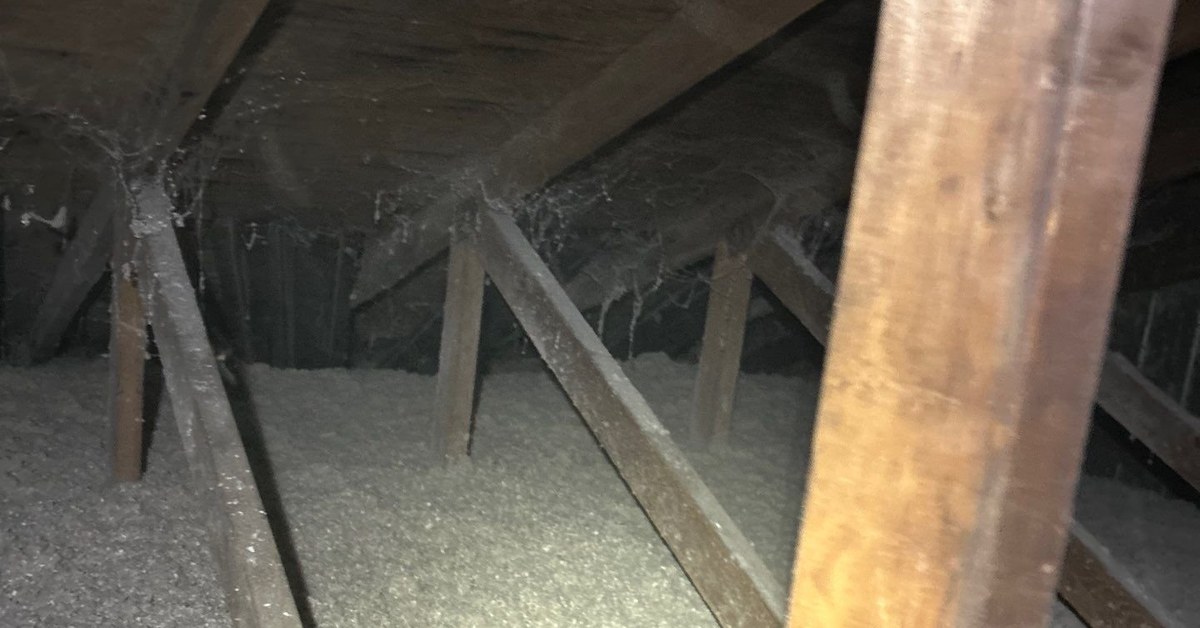
Blown-in is the value leader for a standard, ventilated attic with a flat floor. It brings the attic up to a high R-value quickly and affordably, and for many homes that is exactly what is needed. What it does not do on its own is stop air movement — loose-fill slows heat, but air can still leak up through unsealed gaps. That is why a quality blown-in job includes air sealing first.
Spray foam costs more per square foot but air-seals and insulates in one step, and it shines in trickier assemblies — cathedral ceilings, roof decks, knee walls, and rim joists — where loose-fill simply cannot go. Many Michigan homes end up using both: blown-in on the open attic floor and spray foam in the spots that need air sealing.
Is blown-in attic insulation worth it?
For most under-insulated Michigan attics, the payback is strong. The U.S. Department of Energy consistently ranks attic insulation among the best returns in home efficiency, and topping a shallow attic up to R-49 can noticeably reduce heating and cooling costs while evening out temperatures between floors. Because the material and labor are relatively inexpensive, the project often pays for itself faster than larger upgrades — and it makes the home more comfortable immediately.
Signs your attic needs more insulation
Many Michigan attics were insulated to the standards of decades past and fall well short of today’s recommended levels. A few signs suggest yours is due for a top-up:
- You can see the ceiling joists poking above the insulation — a sign the layer is too shallow.
- Upstairs rooms run hot in summer and cold in winter compared with the rest of the house.
- Ice dams form along the roof edge in winter, a classic symptom of heat escaping into the attic.
- Heating and cooling bills climb year after year without an obvious cause.
- The insulation is old, matted, or unevenly spread across the attic floor.
If you can see the tops of the joists, you almost certainly have less than the recommended R-49 and would benefit from adding depth.
The air-sealing step that makes blown-in work
Insulation and air sealing are two different jobs, and blown-in insulation only reaches its potential when both are done. Loose-fill slows the movement of heat, but it does not stop air from leaking up through gaps around light fixtures, plumbing stacks, the attic hatch, and top plates. If those bypasses are left open, warm household air rises straight through the new insulation and carries your heating dollars with it. That is why a quality attic job seals the major air leaks and adds baffles to keep soffit vents clear before the loose-fill goes down. Skipping this step is the most common reason a fresh layer of insulation underperforms.
Cellulose vs. fiberglass in more detail
Both loose-fill materials perform well, and the better choice depends on the attic. Cellulose is made from recycled paper treated with borate for fire and pest resistance. It is denser, packs tightly around obstructions, and does a slightly better job of slowing air movement, which many homeowners value in a cold climate. Fiberglass loose-fill is lighter, will not absorb water the way cellulose can if there is ever a roof leak, and resists settling over time. In practice, a good installer will recommend the material that best matches your attic’s condition, ventilation, and any moisture considerations rather than treating one as universally superior.
How long does blown-in insulation last?
Properly installed loose-fill insulation can perform for decades. Fiberglass resists settling and moisture well, while cellulose may settle modestly over the years, which a good installer accounts for by blowing slightly deeper at the start. As long as the attic stays dry and free of pest activity, there is rarely a need to replace blown-in insulation — only to top it up if it was thin to begin with. That longevity is a big part of why the return on an attic project is so strong: you pay once and benefit for many winters.
Frequently asked questions
How deep should blown-in insulation be in Michigan?
Aim for about R-49, which is roughly 14 to 18 inches depending on the material. Many older attics have far less, which is why topping up pays off.
Can I add blown-in insulation over my existing insulation?
Usually yes, as long as the existing insulation is dry and in good condition. If it is wet, moldy, or pest-damaged, it should be removed first.
Cellulose or fiberglass — which is better?
Both perform well. Cellulose is denser and slightly better at resisting airflow; fiberglass is lighter and more moisture-tolerant. We recommend the right fit after seeing your attic.
Get your free attic insulation estimate
The best way to pin down your exact blown-in attic insulation cost is a quick attic inspection. Seal Tech Insulation offers free estimates across Southeast Michigan and will measure your current R-value, check for air leaks, and give you a clear price. Call (866) 775-3626 or request a free estimate today.
Further reading: Adding Insulation to an Existing Home (U.S. Department of Energy).
Ready for a more comfortable home?
Get a free, no-pressure estimate from the Seal Tech crew. Spray foam, attic, wall and crawl space insulation across Southeast Michigan, backed by a lifetime warranty.