
If you own a home in Southeast Michigan with a vented crawl space, there is a good chance it is quietly costing you money and comfort every month. Damp crawl spaces pull humid air into the house, encourage mold and wood rot, and let cold winter air leak straight into your floors. The fix that solves all of these problems at once is encapsulation — and the first question most homeowners ask is a simple one: what does it cost?
This guide breaks down real crawl space encapsulation cost ranges for Michigan homes, explains what changes the price, and shows what a complete job actually includes so you can compare quotes with confidence.
What is crawl space encapsulation?
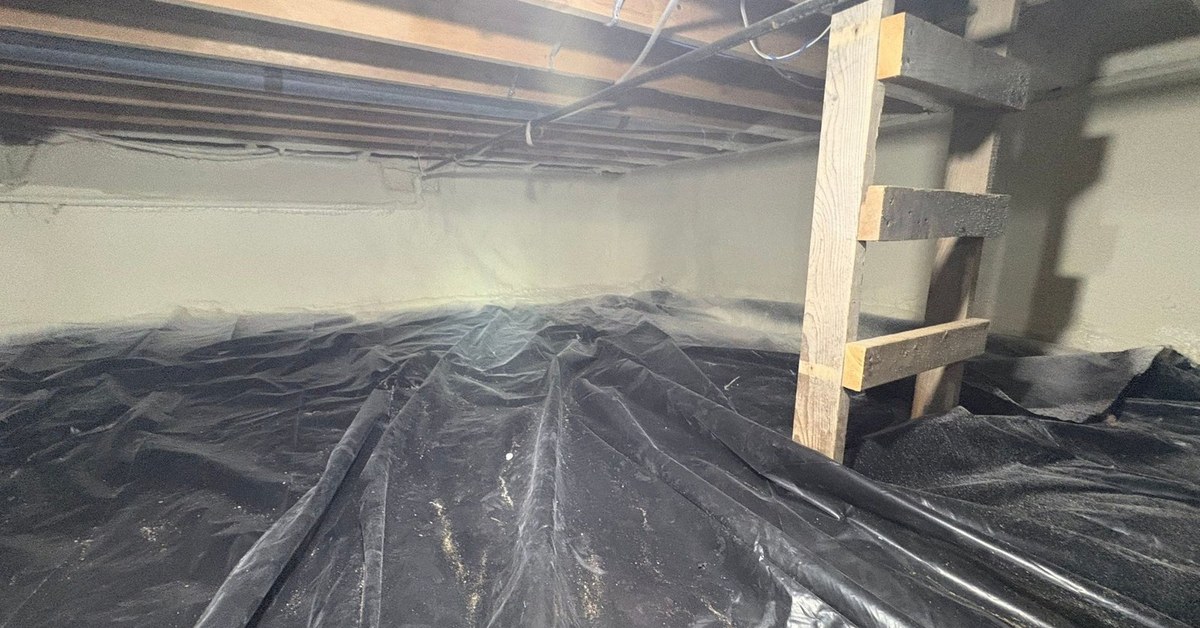
Encapsulation means sealing your crawl space off from the outside so it becomes a clean, dry, controlled space instead of a vented dirt pit. A crew covers the floor and walls with a heavy-duty vapor barrier, seals the foundation vents and any air leaks, insulates the walls or rim joists, and adds a dehumidifier or a small amount of conditioned air to keep humidity in check. The result is a crawl space that stays dry year-round and stops feeding moisture and cold air into the rooms above.
In Michigan’s freeze-thaw climate this matters more than in milder regions. Our long, humid summers push moisture into open crawl spaces, and our cold winters turn any air leak into a cold floor. That is why crawl space encapsulation in Michigan is one of the most reliable comfort and efficiency upgrades a homeowner can make.
How much does crawl space encapsulation cost?
For most Michigan homes, crawl space encapsulation costs between $2,000 and $15,000. That is a wide range because “encapsulation” can mean anything from a basic vapor barrier to a fully sealed, insulated, and dehumidified space. Here is how the typical tiers break down.
Partial encapsulation: $2,000–$5,000
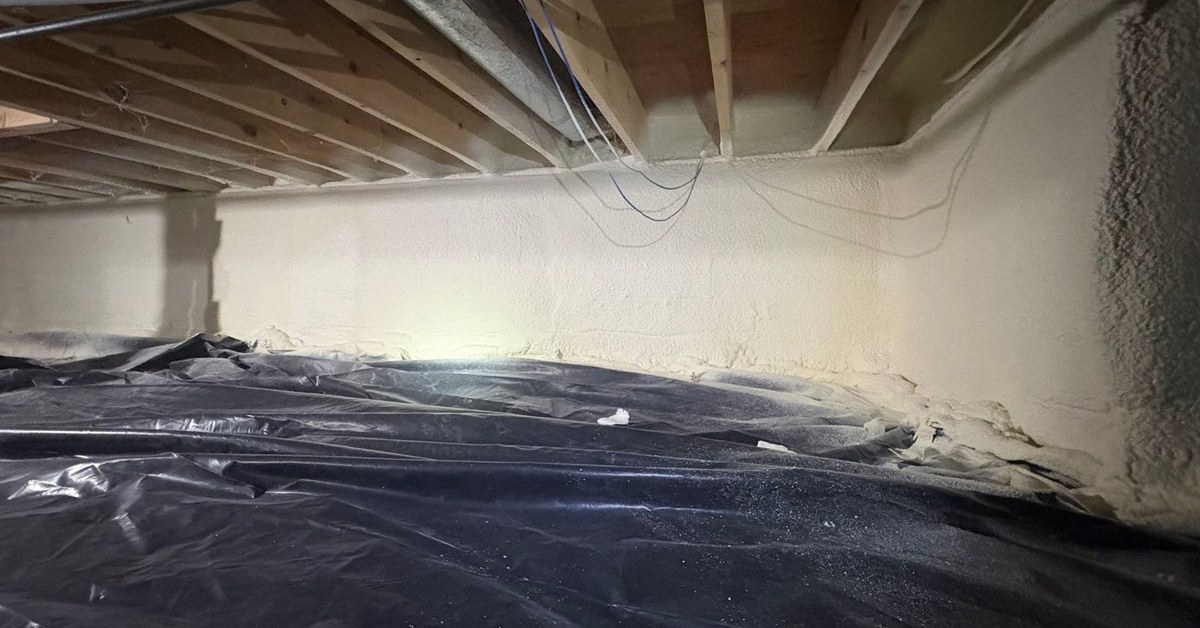
A partial job usually covers the crawl space floor with a vapor barrier and seals the most obvious leaks. It is the budget option and it will cut down on ground moisture, but it stops short of insulating the walls or controlling humidity with a dehumidifier. For a small, relatively dry crawl space it can be enough; for a damp or leaky one, it is only a partial fix.
Full encapsulation: $5,000–$15,000
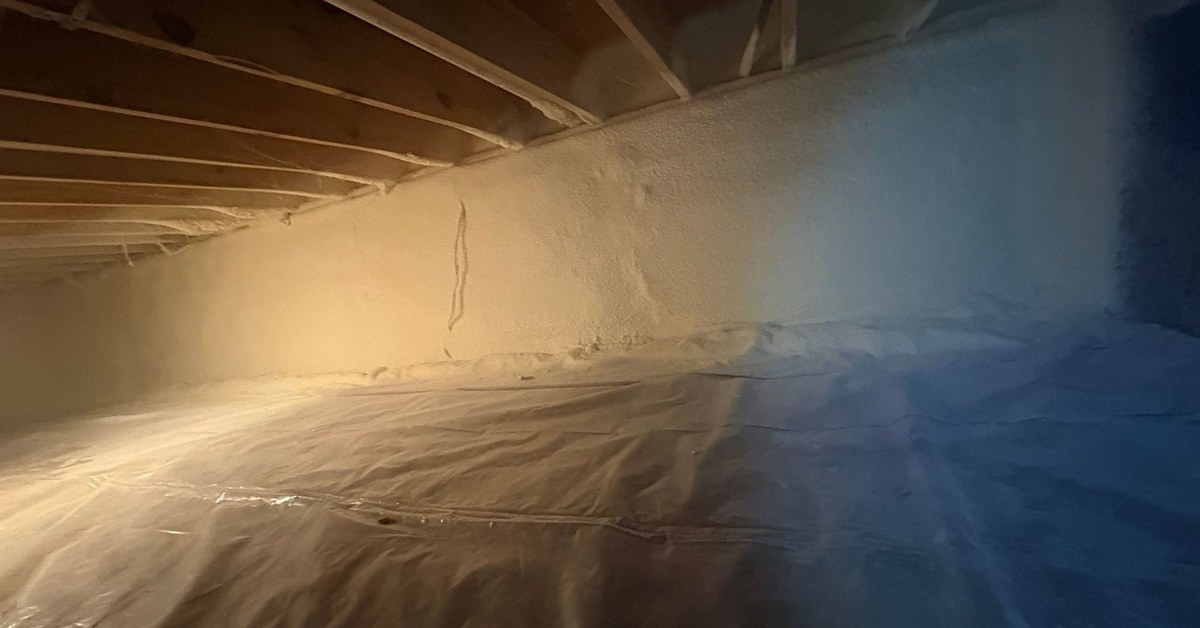
A full encapsulation seals the floor and walls with a reinforced liner, closes the vents, insulates the walls and rim joists with spray foam, and adds a dehumidifier to hold humidity around 50 percent. This is the version that delivers dry air, warmer floors, lower energy bills, and real protection against mold and rot. Most homeowners who encapsulate to solve a comfort or moisture problem land in this tier.
What affects your crawl space encapsulation cost?
Two Michigan homes rarely get the same quote, because several factors move the number up or down:
- Square footage. Bigger crawl spaces need more liner, more foam, and more labor.
- Existing moisture damage. Standing water, mold remediation, or rotted wood must be handled first and adds to the total.
- Drainage needs. A crawl space that takes on water may need a sump pump or French drain before the liner goes down.
- Insulation choice. Adding closed-cell spray foam to the walls and rim joists raises the price but delivers the biggest performance gain.
- Dehumidification. A dedicated crawl space dehumidifier typically adds $1,200 to $2,500 but is what keeps the space dry long-term.
- Access. A tight, low-clearance crawl space is slower and more labor-intensive to work in.
What’s included in a complete job
When you compare quotes, make sure you are comparing the same scope. A true, complete encapsulation should include the following elements — if a bid is dramatically cheaper, it is usually because one or more of these are missing.
Is crawl space encapsulation worth the cost?
For most Michigan homes, yes. Encapsulation typically lowers heating and cooling bills by improving the whole home’s efficiency, and it removes the damp, musty air that a vented crawl space pushes upward through the “stack effect.” Just as importantly, it protects the structure. Moisture is what causes wood rot, mold, and pest problems, and a dry, sealed crawl space stops that damage before it starts — often saving far more than the project cost in avoided repairs.
It also pairs naturally with other upgrades. Many homeowners combine encapsulation with wall insulation or attic work to seal the home from top to bottom in one coordinated project. If your crawl space is the weak link, our crawl space services page explains the full process in detail.
Signs your crawl space needs encapsulation
Not every home needs a full encapsulation, but several warning signs point to a crawl space that is actively working against you. If you notice any of the following, it is worth getting an assessment before the damage grows:
- Musty or damp odors that drift up into the living space, especially in summer.
- Cold, uncomfortable floors above the crawl space in winter.
- Higher-than-expected heating and cooling bills for the size of the home.
- Visible moisture, condensation, or standing water on the crawl space floor or liner.
- Sagging or torn old vapor barrier, or fiberglass batts hanging down between the joists.
- Signs of mold, wood rot, or pest activity on the framing.
Each of these is a symptom of the same root cause: an open crawl space that lets outside air and ground moisture into the home. Encapsulation addresses the cause rather than chasing the symptoms one at a time.
Why vented crawl spaces fail in Michigan
For decades, building codes required crawl space vents on the theory that outside air would keep the space dry. In a humid climate like Michigan’s, the opposite often happens. During our warm, sticky summers, humid outdoor air flows through those vents, hits the cooler crawl space surfaces, and condenses — adding moisture rather than removing it. In winter, the same vents let frigid air chill your floors and pipes. Encapsulation reverses this failed strategy by sealing the vents and treating the crawl space as part of the conditioned home, which is why it has become the modern standard.
How to compare crawl space quotes
Because “encapsulation” covers such a wide range of work, two quotes can differ by thousands of dollars and still both be honest — they are simply describing different scopes. When you compare bids, look past the headline number and check the details: the thickness and quality of the vapor barrier, whether the walls and rim joists are insulated, whether a dehumidifier is included, and how drainage and any existing moisture damage are handled. A bid that seems too good to be true usually leaves out one of these pieces, and the missing work is what determines whether the crawl space actually stays dry.
Frequently asked questions
How long does crawl space encapsulation take?
Most Michigan crawl spaces are encapsulated in one to three days, depending on size, access, and whether drainage or moisture remediation is needed first.
Does encapsulation increase home value?
It can. A dry, sealed, and insulated crawl space is a selling point, and it removes the moisture and mold red flags that show up in home inspections.
Will it get rid of musty basement odors?
Usually, yes. Because most of that damp, musty air originates in the crawl space and rises into the home, sealing and drying the crawl space removes the source of the odor.
Get a free crawl space estimate
The only way to know your exact crawl space encapsulation cost is a quick on-site assessment. Seal Tech Insulation offers free, no-obligation estimates across Southeast Michigan. Call (866) 775-3626 or request your free estimate and we will inspect your crawl space, explain your options, and give you a clear, itemized price.
Further reading: Where to Insulate in a Home (U.S. Department of Energy).
Ready for a more comfortable home?
Get a free, no-pressure estimate from the Seal Tech crew. Spray foam, attic, wall and crawl space insulation across Southeast Michigan, backed by a lifetime warranty.